How Hunger Works | Ghrelin: The Hunger Hormone | Leptin and Satiety | Gut Microbiota and Cravings | FAQ |
Quick Answer
Hunger is mainly controlled by the hormone ghrelin, while satiety (feeling full) is controlled by leptin. These hormones, along with your gut bacteria and eating habits, work together to influence when and what you feel like eating.
Introduction
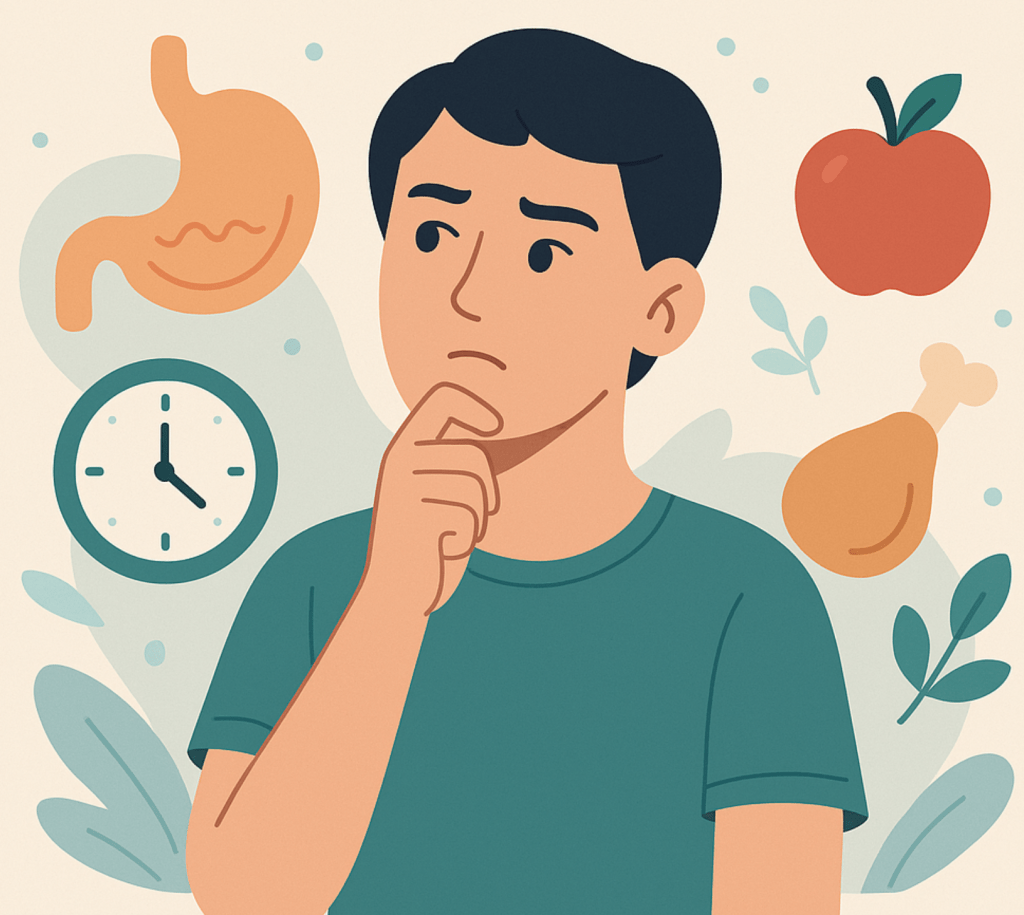
Hunger is more than just an empty stomach. It’s a complex process involving hormones, your gut microbiota, and your regular eating patterns. Ghrelin signals hunger, while leptin promotes fullness. Your gut bacteria can even influence your cravings. Understanding how hunger and satiety work can help you make healthier choices and manage your appetite.
Understanding Hunger and Satiety
How Hunger Works
Hunger is your body’s way of signalling that it needs energy or nutrients. It’s influenced by hormones, blood sugar levels, and even your daily routines. While many people think hunger only comes from an empty stomach, it’s actually a response to several different signals.
- Hunger is triggered by ghrelin, which is released based on your regular eating patterns.
- Drops in blood sugar or nutrient deficiencies can also trigger hunger.
- Satiety, or feeling full, is mainly influenced by leptin.
Ghrelin: The Hunger Hormone
Ghrelin is often called the “hunger hormone” because it signals your brain to eat. It’s not just released when your stomach is empty, but also when your body expects food based on your usual meal times. If your blood sugar drops or you have a nutrient deficiency, ghrelin levels rise to encourage eating.
- Ghrelin is released in anticipation of regular meals.
- Low blood sugar or nutrient deficiencies can increase ghrelin release.
- Ghrelin levels fall after eating, reducing hunger.
Leptin and Satiety
Leptin is the hormone responsible for making you feel full. It is produced by fat cells and released in response to eating. The more you eat, the more leptin is produced, which signals your brain to stop eating.
- Leptin is released in higher amounts as you eat more food.
- This hormone helps enhance feelings of satiety.
- Leptin resistance can make it harder to feel full, especially in some people with obesity.
Gut Microbiota and Cravings
The bacteria in your gut (microbiota) can influence your hunger and the types of foods you crave. A healthy balance of gut bacteria supports better appetite control, while an imbalance can lead to increased cravings for unhealthy foods.
- “Good” microbiota encourage “healthy” eating habits.
- “Bad” microbiota can increase cravings for “unhealthy” foods.
- Gut health plays an important role in controlling hunger levels.
In Summary
Hunger is influenced by hormones like ghrelin and leptin, your gut bacteria, and your eating patterns. Managing your routine and supporting gut health can help you control cravings and feel satisfied after meals.
Paying attention to your body’s signals and maintaining a balanced diet supports healthy hunger and fullness cues.
FAQ
Why do I feel hungry at the same times every day?
Your body releases ghrelin based on your usual eating schedule, so you often feel hungry when you typically eat, even if you don’t need food.
Can gut bacteria really affect my cravings?
Yes, certain gut bacteria can make you crave specific foods. A healthy gut microbiome encourages better food choices and appetite control.
How can I naturally increase feelings of fullness?
Eating foods high in protein and fibre, drinking enough water, and eating slowly can help you feel fuller for longer.
What causes constant hunger even after eating?
Possible causes include poor sleep, stress, a diet low in protein or fibre, or leptin resistance. If you’re always hungry, consider reviewing your eating habits and consult a healthcare professional if needed.

