Boosts Calorie Burning | Increases Metabolic Rate | Preserves Muscle During Fat Loss | Improves Overall Health Outcomes | FAQ |
Quick Answer
Exercise aids fat loss by burning calories, boosting metabolism, preserving muscle, and improving health. Combine aerobic exercise, strength training, and a balanced diet for sustainable results.
Introduction
Exercise plays a vital role in fat loss by enhancing your body’s ability to burn calories and maintain a healthy weight. It supports a sustainable approach to weight management while improving overall health. Different types of exercise contribute uniquely to fat reduction and muscle preservation. This page explores how exercise aids fat loss and offers strategies to maximize its benefits.
Understanding the Role of Exercise in Fat Loss
1. Boosts Calorie Burning
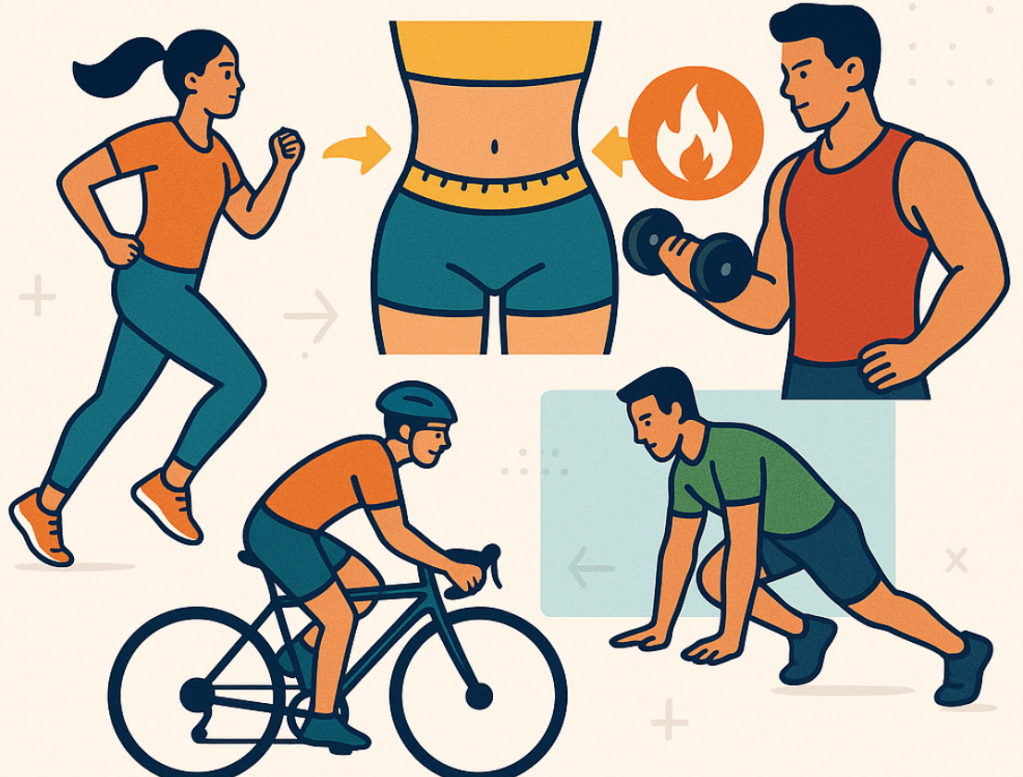
Exercise boosts calorie burning by increasing energy expenditure during physical activity. Activities like running, cycling, or swimming elevate your heart rate, helping you burn more calories in a shorter time. High-intensity exercises can also lead to an afterburn effect, where you continue burning calories post-workout. This calorie deficit is essential for fat loss over time.
- Aerobic exercise burns up to 300 calories in a 30-minute session, aiding fat loss.
- High-intensity interval training increases calorie burn more than steady-state cardio.
2. Increases Metabolic Rate
Exercise increases your metabolic rate by enhancing your body’s energy demands, even at rest. Strength training builds muscle mass, which burns more calories than fat tissue throughout the day. A higher metabolic rate means you burn more calories overall, supporting fat loss efforts. This effect helps maintain weight loss long-term by preventing metabolic slowdown.
- Strength training boosts resting metabolic rate, burning more calories daily.
- Each kilogram of muscle burns 13 calories daily at rest, compared to 5 for fat.
3. Preserves Muscle During Fat Loss
Exercise preserves muscle during fat loss by promoting muscle maintenance while you’re in a calorie deficit. Strength training signals your body to retain muscle tissue, ensuring you lose fat instead of lean mass. This preservation improves your body composition, making you look leaner and healthier. It also helps maintain strength and functionality during weight loss.
- Resistance training preserves muscle mass during a calorie deficit.
- Combining cardio and strength training reduces muscle loss muscle loss compared to cardio alone.
4. Improves Overall Health Outcomes
Exercise improves overall health outcomes by reducing fat-related health risks and enhancing wellbeing. It lowers the risk of chronic diseases like diabetes by improving insulin sensitivity. Regular activity also reduces visceral fat, which is linked to heart disease, and boosts mental health by lowering stress. These benefits make exercise a key component of sustainable fat loss.
- Exercise reduces visceral fat, lowering heart disease risk significantly.
- It improves insulin sensitivity, decreasing the risk of type 2 diabetes.
- Physical activity lowers stress, supporting mental health during fat loss.
In Summary
Exercise boosts calorie burning, increases your metabolic rate, and preserves muscle during fat loss. It also improves overall health by reducing disease risk and stress.
Incorporate aerobic exercise, strength training, and a balanced routine for effective fat loss. These habits support sustainable weight loss and enhance your overall wellbeing.
FAQ
What’s the best exercise combo for fat loss?
Aim for 3 strength sessions, 4 cardio sessions, and 1 HIIT workout weekly. This balances muscle retention, calorie burn, and metabolic health.
Can I lose fat with strength training alone?
Yes, but adding cardio accelerates fat loss. Strength training preserves muscle, while cardio creates a larger calorie deficit.
How soon will I see results?
Visible fat loss typically takes 4–8 weeks. Track progress via measurements, photos, or body fat percentage instead of just weight.
Does exercise timing affect fat loss?
Fasted workouts may enhance fat oxidation, but consistency matters most.

