
Benefits of Water Filtration | Types of Water Filters | Choosing the Right Filter | FAQ |
Quick Answer
Water filtration removes harmful contaminants, improves taste and smell, supports better health, saves money compared to bottled water, and reduces environmental impact. Different filter types (activated carbon, reverse osmosis, UV) target specific contaminants, with options ranging from simple pitchers to whole-house systems.
Introduction
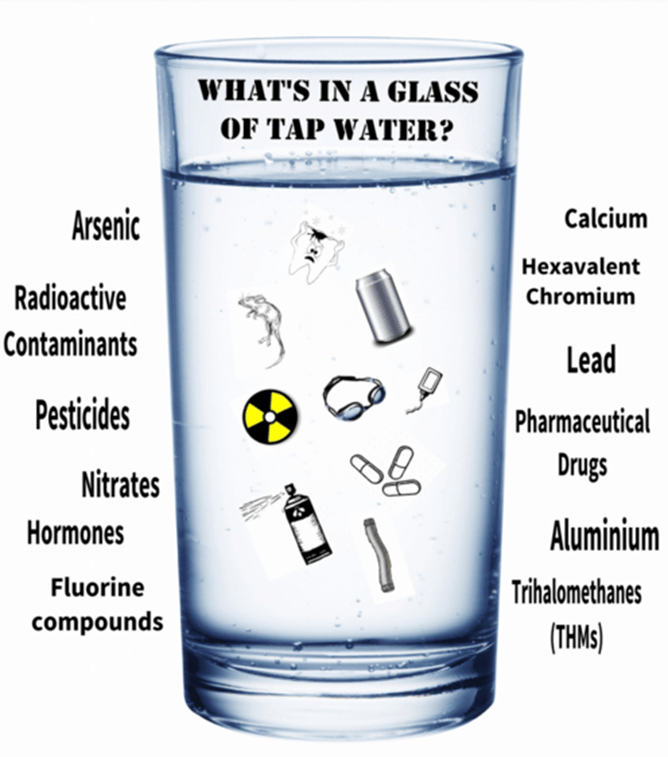
Clean water is essential for health and wellbeing, yet tap water often contains various contaminants that can affect both safety and taste. Water filtration provides an effective solution to improve water quality at home without relying on bottled alternatives. This guide explores the benefits of filtering your drinking water and the various filtration options available to help you make an informed choice for your household needs.
Benefits of Water Filtration
Removes Harmful Contaminants
Water filters effectively reduce or eliminate a wide range of contaminants that may be present in your tap water, providing cleaner and safer drinking water.
- Filters remove up to 99% of harmful chemicals like chlorine byproducts and PFAS (per- and polyfluoroalkyl substances) that municipal treatment doesn’t fully address.
- Quality filtration systems can reduce heavy metals such as lead, mercury, and copper that may leach from old plumbing.
- Advanced filters can eliminate microorganisms including bacteria, viruses, and parasites that can cause illness.
Improves Taste and Smell
One of the most immediately noticeable benefits of filtered water is the improvement in taste and odor, making it more enjoyable to drink.
- Filtration removes chlorine and its byproducts, which are common causes of unpleasant taste and smell in tap water.
- Carbon filters effectively eliminate organic compounds that can give water a musty or earthy flavor.
- Filtered water enhances the taste of beverages and food prepared with it, from coffee and tea to soups and pasta.
Supports Better Health
Using filtered water can contribute to improved overall health and wellbeing through multiple mechanisms.
- Regular consumption of filtered water reduces exposure to contaminants linked to cancer, heart disease, and other health issues.
- Clean, great-tasting water encourages increased hydration, which supports kidney function, blood flow, and overall health.
- Filtering water removes potential allergens and irritants that may affect sensitive individuals.
Cost-Effective Solution
While there is an initial investment, water filtration typically saves money compared to purchasing bottled water.
- Filtered tap water costs approximately 300-2000 times less than bottled water, depending on whether you buy in bulk or individual bottles.
- A typical household can save hundreds of dollars annually by switching from bottled water to a home filtration system.
- Even accounting for filter replacements, the long-term cost savings are substantial for most households.
Protects the Environment
Using water filters instead of bottled water significantly reduces your environmental footprint.
- Home filtration eliminates the need for plastic bottles, reducing plastic waste and pollution.
- Filtering water at home reduces the carbon footprint associated with bottling, transporting, and refrigerating bottled water.
- While filter cartridges do create some waste, they generate significantly less environmental impact than the equivalent in plastic bottles.
Types of Water Filters
Activated Carbon Filters
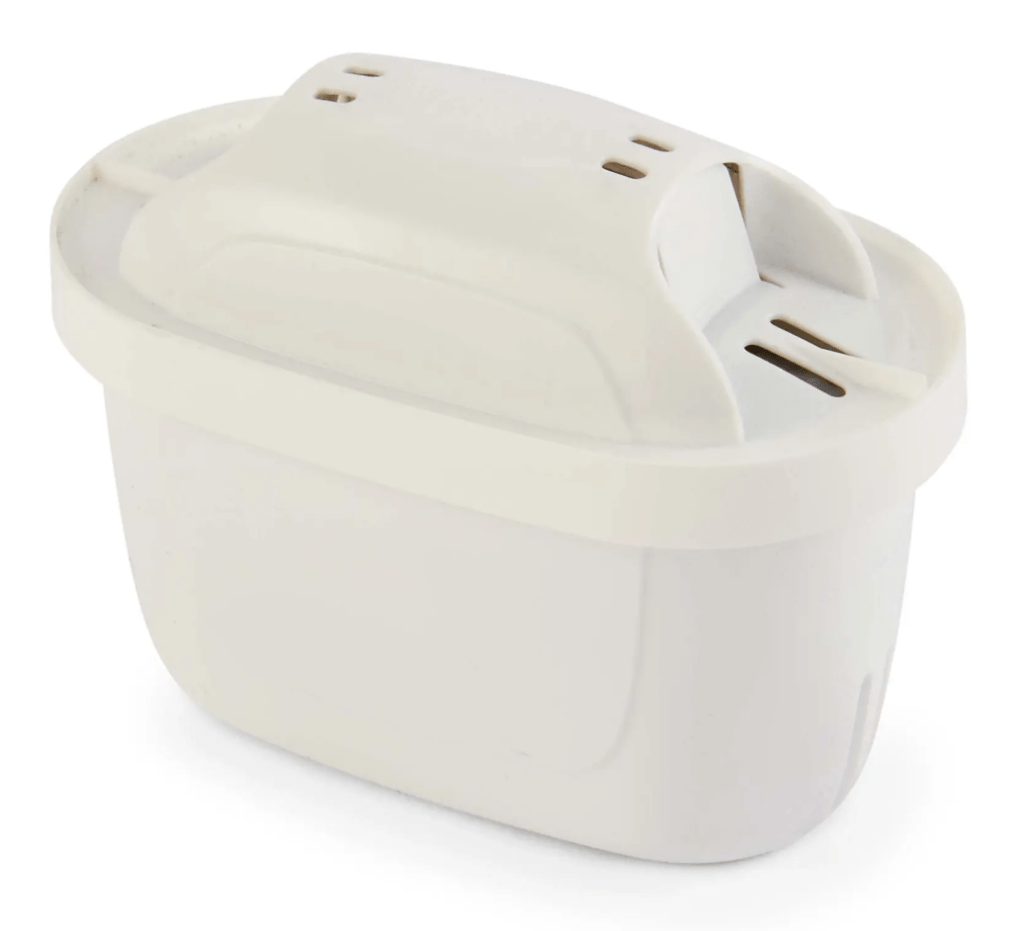
Activated carbon is one of the most common filtration methods, using porous carbon to trap contaminants through adsorption.
- These filters effectively remove chlorine, sediment, and volatile organic compounds (VOCs) that affect taste and odor.
- Carbon filters are available in various forms including pitcher filters, faucet attachments, and under-sink systems.
- While excellent for improving taste, basic carbon filters may not remove all dissolved minerals, fluoride, or certain heavy metals.
Reverse Osmosis Systems
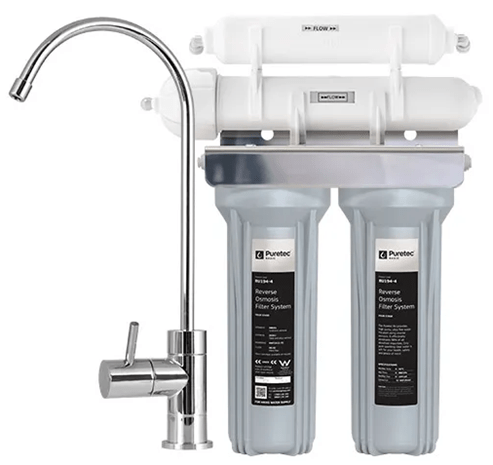
Reverse osmosis (RO) uses a semi-permeable membrane to remove a wide range of contaminants from water.
- RO systems can remove up to 99% of dissolved contaminants, including heavy metals, fluoride, and many chemicals.
- These systems are particularly effective at removing PFAS and other emerging contaminants of concern.
- While highly effective, RO systems use more water in the filtration process and typically require under-sink installation.
Ultraviolet (UV) Filters
UV filtration uses ultraviolet light to kill or inactivate microorganisms in water.
- UV systems effectively eliminate bacteria, viruses, and parasites without chemicals.
- These filters are often used in combination with other filtration methods as they don’t remove chemical contaminants or improve taste.
- UV filtration is environmentally friendly as it doesn’t produce waste water or require chemicals.
Whole House Filtration Systems
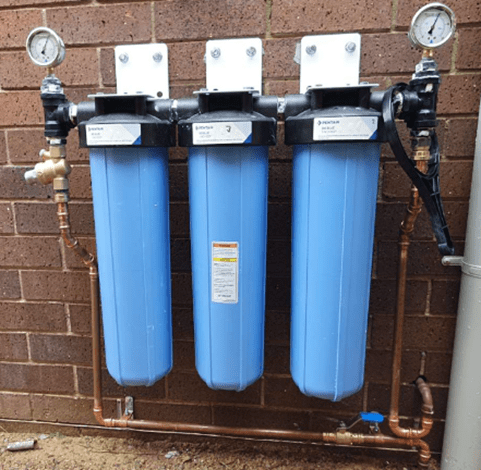
Whole house systems filter all water entering your home, providing filtered water from every tap.
- These systems typically use multiple filtration stages to address various contaminants.
- Whole house filters protect plumbing and appliances in addition to providing clean drinking water.
- While more expensive initially, they offer comprehensive protection and convenience for the entire household.
Choosing the Right Filter
Assess Your Water Quality
Understanding what’s in your water is the first step to selecting the appropriate filtration system.
- Consider getting a water quality test to identify specific contaminants in your water supply.
- Review your local water quality report (Consumer Confidence Report) provided by your utility company.
- Pay attention to any taste, odor, or appearance issues that might indicate specific contaminant problems.
Consider Your Needs and Budget
Different households have different filtration needs and budget constraints.
- For basic taste improvement, a pitcher or faucet filter may be sufficient and cost-effective.
- If specific contaminants like lead or PFAS are concerns, consider reverse osmosis or specialized filters designed for those issues.
- Evaluate the long-term costs including filter replacements, not just the initial purchase price.
Filter Effectiveness Comparison
Different filter types vary in their ability to remove specific contaminants.
- Activated carbon excels at removing chlorine and organic compounds but may not address all contaminants.
- Reverse osmosis provides the most comprehensive filtration but requires more maintenance and produces waste water.
- For microbiological concerns, UV filtration or systems with sub-micron filtration are most effective.
In Summary
Water filtration offers multiple benefits including contaminant removal, improved taste and odor, health support, cost savings compared to bottled water, and environmental protection. By understanding your specific water quality issues and household needs, you can select the appropriate filtration system—whether a simple pitcher filter or comprehensive whole-house solution. Regular maintenance and timely filter replacement ensure continued effectiveness and the best possible water quality for your home.
FAQ
How do I know which contaminants are in my tap water?
You can request a water quality report from your local utility or use a home testing kit to identify specific contaminants in your water supply.
Do water filters remove beneficial minerals?
Some systems, particularly reverse osmosis, can remove beneficial minerals along with contaminants. If this is a concern, look for filters with mineral remineralization features or those that selectively target only harmful substances.
How often should I replace my water filter?
Replacement frequency varies by filter type—typically every 2-4 months for pitcher filters, 3-6 months for faucet filters, and 6-12 months for under-sink systems. Always follow manufacturer recommendations and watch for signs of reduced effectiveness.
Are water filters environmentally friendly?
While filter cartridges do create some waste, they generate significantly less environmental impact than the equivalent in plastic bottles. Some manufacturers now offer recycling programs for used cartridges.

