
Benefits of Mouth Taping | Risks and Considerations | How to Use Mouth Tape Safely | FAQ |
Quick Answer
Mouth taping during sleep may improve sleep quality, reduce snoring, prevent dry mouth, and support oral health by encouraging nasal breathing. However, it is not safe for everyone and requires caution.
Introduction
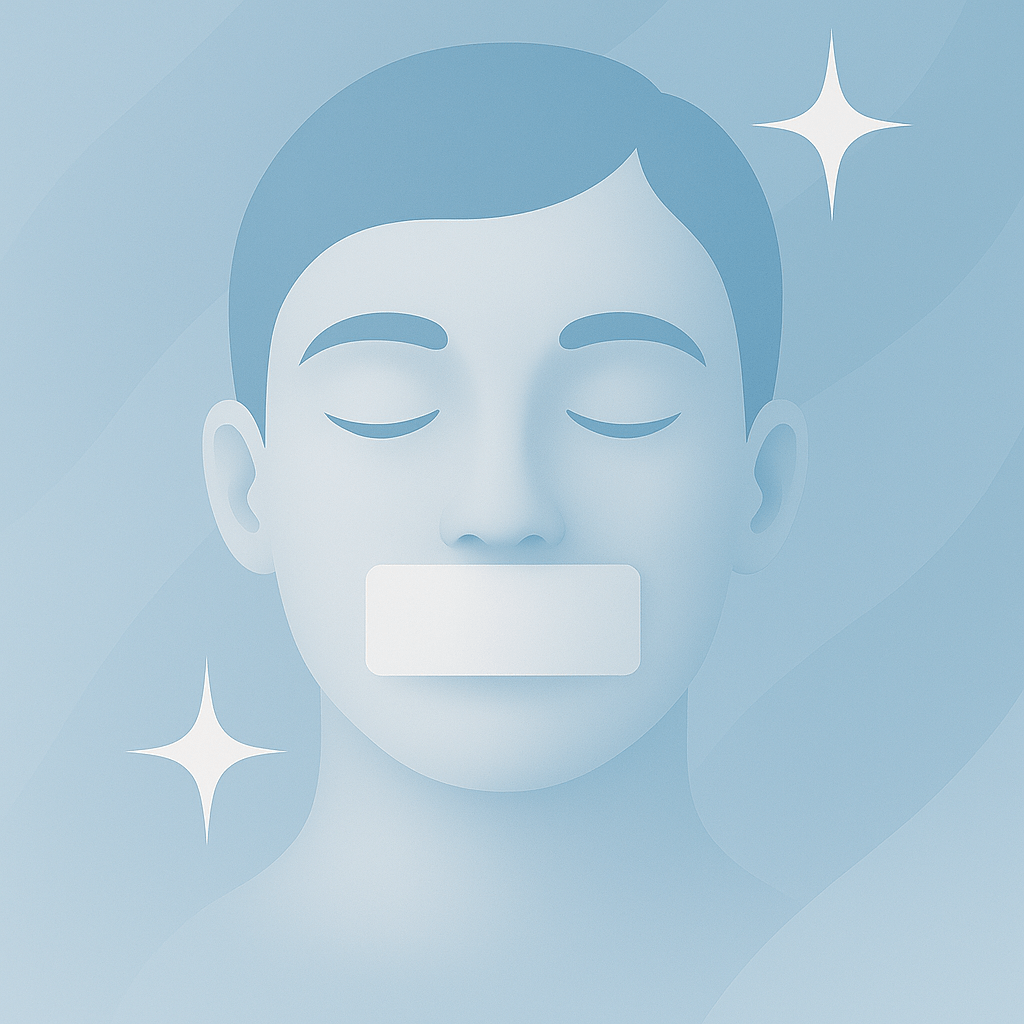
Mouth taping involves placing hypoallergenic tape over the lips before sleep to promote nasal breathing. While anecdotal claims suggest benefits like reduced snoring and better oral health, research is limited, and risks exist for those with nasal congestion or sleep apnea. Below, we explore the potential benefits, risks, and evidence-based guidelines.
Benefits of Mouth Taping
Improves Sleep Quality by Promoting Nasal Breathing
Nasal breathing filters, warms, and humidifies air, improving oxygen uptake and activating the parasympathetic nervous system for relaxation. Mouth taping may help:
- Increase nitric oxide production, which improves blood flow and oxygen delivery.
- Reduce sleep disruptions caused by mouth breathing.
Can Prevent Snoring
Mouth taping may reduce snoring by keeping the mouth closed and encouraging proper tongue position. Research suggests a significant reduction in snoring intensity for mouth-breathers with mild obstructive sleep apnea.
- Helps keep the mouth moist and protects against enamel erosion.
Reduces Bad Breath
By reducing dry mouth and bacterial growth, mouth taping may lower the risk of halitosis.
- Limits the growth of odor-causing bacteria overnight.
Helps Maintain Mouth pH During Sleep
Mouth breathing lowers intraoral pH, increasing the risk of enamel erosion. Nasal breathing helps keep pH closer to neutral.
- Supports a healthier oral environment and reduces acid attacks on enamel.
Enhances the Effects of Toothbrushing
Saliva’s natural remineralisation works better in a hydrated mouth, complementing the effects of fluoride or hydroxyapatite toothpaste.
- Maximises the protective benefits of your nightly oral hygiene routine.
Maintains Mouth Hydration During Sleep
Nasal breathing prevents saliva evaporation, protecting against dry mouth and related oral health issues.
- Supports overall mouth comfort and reduces the risk of morning discomfort.
Risks and Considerations
Mouth taping is not safe for everyone
Always consult a healthcare provider before starting mouth taping, especially if you have any underlying health conditions.
- Individuals with obstructive sleep apnea may experience worsened breathing.
- Those with nasal congestion or blockages should avoid mouth taping, as it can make breathing difficult.
- Some people may develop skin irritation or allergic reactions from the adhesive.
- Anxiety or panic can occur if you feel unable to open your mouth.
How to Use Mouth Tape Safely
- Consult a doctor to rule out sleep apnea or nasal obstruction.
- Use hypoallergenic, medical-grade tape made for mouth taping.
- Start by taping for short periods during the day to get used to the sensation.
- Ensure your nasal passages are clear before taping at night.
- Remove the tape immediately if you feel discomfort, anxiety, or difficulty breathing.
In Summary
Mouth taping may benefit mild snorers and mouth-breathers by promoting nasal breathing, but it is not a substitute for medical treatment. Always consult a healthcare provider before trying it.
FAQ
Is mouth taping safe for children?
No. Children with nasal congestion or airway issues risk suffocation. Always consult a pediatrician first.
Can mouth taping replace CPAP therapy?
No. CPAP is the gold standard for sleep apnea; taping is not a substitute.
Does mouth taping whiten teeth?
Indirectly, by reducing dry mouth and bacterial growth, it may help prevent stains.
How long does it take to see benefits?
Some people notice improvements within 1–2 weeks, but research is limited

