
Recommended Sleep Duration | Optimal Sleep and Wake Times | Factors Affecting Sleep Needs | Tips to Achieve Ideal Sleep Timing | FAQ |
Quick Answer
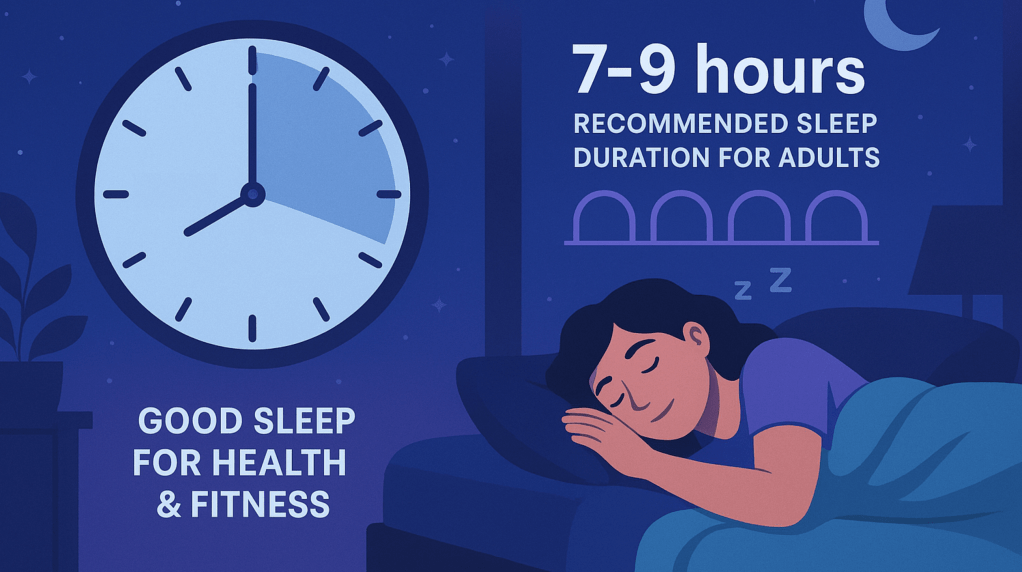
Getting the right amount of sleep at the right time is key for feeling refreshed, supporting your health, and maintaining daily energy. Most adults need 7–9 hours of sleep per night, ideally with a consistent bedtime and wake-up routine that matches your body’s natural rhythms.
Introduction
Finding the ideal sleep time and duration can transform your health and daily energy levels. It involves understanding how much sleep you need and when to rest for optimal benefits. Proper sleep timing supports your body’s natural rhythms and improves overall wellbeing. This page explores ideal sleep times, durations, and tips to achieve them.
Understanding Ideal Sleep Time and Duration
1. Recommended Sleep Duration
Recommended sleep duration varies by age and individual needs, but most adults require a specific range. Health experts suggest 7–9 hours per night for adults to function at their best. Getting too little or too much sleep can lead to fatigue or health issues. This range ensures you wake up refreshed and ready for the day.
- Adults aged 18–64 consistently need 7–9 hours of sleep to maintain optimal physical and mental health.
- Sleeping less than 6 hours increases the risk of chronic fatigue in adults.
2. Optimal Sleep and Wake Times
Optimal sleep and wake times align with your body’s natural circadian rhythm for better rest. Going to bed between 10 PM and 11 PM and waking between 6 AM and 7 AM suits most adults. This schedule supports your body’s hormonal balance, like melatonin production, for deeper sleep. Consistency in these times helps regulate your internal clock effectively.
- Sleeping by 10 PM boosts melatonin production, improving sleep quality for most adults.
- Waking at 7 AM aligns with natural light cycles, enhancing morning alertness.
3. Factors Affecting Sleep Needs
Several factors influence your ideal sleep time and duration, making them unique to you. Age, lifestyle, stress levels, and health conditions can all play a role in your sleep needs. For example, older adults may need slightly less sleep, while stress can increase your need for rest. Understanding these factors helps you tailor your sleep schedule for better health.
- Adults over 65 often need 7–8 hours, while younger adults and children may require closer to 9 hours or more.
- High stress levels can increase your sleep needs, as your body requires more recovery.
4. Tips to Achieve Ideal Sleep Timing
Achieving your ideal sleep time and duration requires consistent habits and a supportive environment. Stick to a regular bedtime and wake-up schedule, even on weekends, to train your body. Create a relaxing pre-sleep routine, like reading, to signal it’s time to rest. Limit screen time before bed to improve your sleep quality and timing.
- A consistent sleep schedule improves your circadian rhythm, enhancing sleep quality.
- Avoiding screens 1 hour before bed reduces melatonin disruption, helping you fall asleep faster.
In Summary
Ideal sleep time and duration support your health by aligning with your body’s rhythms. Factors like age and stress can influence your specific sleep needs.
Maintain a consistent schedule and limit screen time to achieve better rest. These habits help you wake up refreshed and improve daily energy levels.
Note From The Editor
I’ve been the person who loves going out all night
I feel like I work more efficiently at night
I feel like I’m more focused at night
I feel like I get an energy boost at night
I am what people call a “night owl”
There is no such thing as a night owl.
Life is almost always better after a good night of sleep
FAQ
How much sleep do adults really need?
Most adults need 7–9 hours of sleep per night for optimal health and functioning.
What’s the best time to go to bed and wake up?
Going to bed between 10PM and 11PM and waking between 6AM and 7AM aligns with your circadian rhythm and supports better sleep quality.
Can I catch up on sleep on weekends?
Sleeping in on weekends can disrupt your internal clock. It’s best to maintain a consistent sleep schedule every day.
What if I still feel tired after 7–9 hours?
Factors like stress, illness, or poor sleep quality may be affecting your rest. Review your sleep hygiene and consult a healthcare provider if problems persist.

