
Regulates Your Sleep-Wake Cycle | Influences Other Bodily Functions | Supports Overall Health | Factors That Disrupt Your Circadian Rhythm | Tips to Optimise Your Circadian Rhythm | FAQ |
Quick Answer
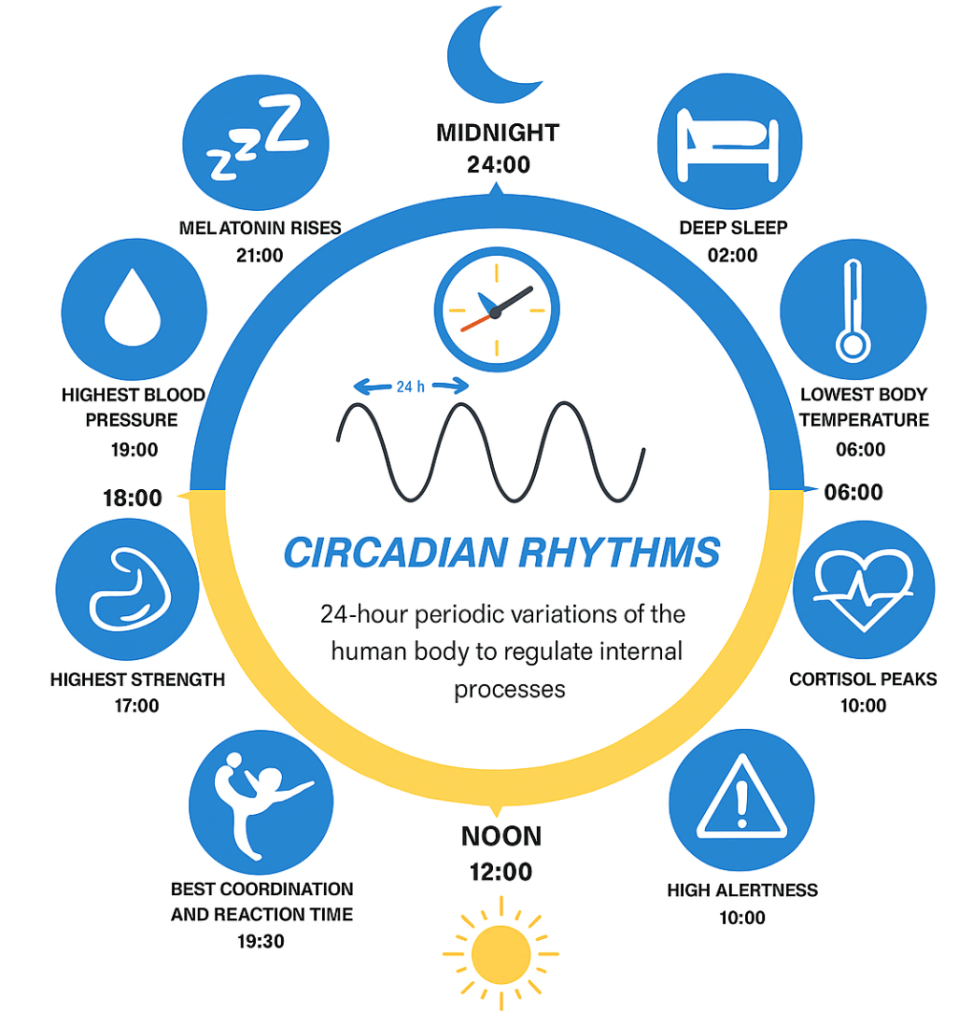
Your circadian rhythm is your body’s internal 24-hour clock that regulates sleep, hormone production, body temperature, and metabolism. When properly aligned, it improves sleep quality, mood stability, and overall health. Disruptions from irregular schedules, screen time, or shift work can lead to sleep problems and increased health risks.
Introduction
Your circadian rhythm acts as your body’s internal clock, guiding sleep and other vital functions. This 24-hour cycle regulates when you feel awake or sleepy each day. It also influences your mood, energy, and overall health in many ways. Understanding your circadian rhythm can help you improve your wellbeing through better sleep habits.
Exploring the Role of the Circadian Rhythm
Regulates Your Sleep-Wake Cycle
Your circadian rhythm controls your sleep-wake cycle, deciding when you feel alert or tired. It’s driven by a part of your brain called the suprachiasmatic nucleus, which responds to light. When it’s dark, your body produces melatonin, a hormone that makes you sleepy. Light exposure in the morning helps you wake up and feel energised.
- Darkness triggers melatonin production, with levels rising significantly at night, helping you fall asleep faster and enjoy deeper rest.
- Morning light exposure reduces melatonin, making you feel awake and alert within 30 minutes, improving your energy for the day.
Influences Other Bodily Functions
The circadian rhythm affects more than just sleep, managing many bodily functions throughout the day. It regulates your body temperature, hormone levels, and even digestion based on the time. When your rhythm is in sync, these processes run smoothly, supporting your overall health. A balanced circadian rhythm helps you feel your best every day.
- Body temperature drops by 1–2°C at night, aiding restful sleep, conserving energy, and preparing your body for recovery.
- Cortisol levels peak in the morning, boosting alertness for daily tasks, and drop at night to help you relax.
Supports Overall Health and Wellbeing
A balanced circadian rhythm benefits your health by improving sleep quality, mood, and energy levels. It helps your body repair tissues, process emotions, and maintain a healthy metabolism. When your rhythm is aligned, you’re less likely to feel stressed or tired. This balance protects your long-term physical and mental wellbeing.
- Good circadian alignment lowers your risk of depression, as it supports emotional regulation and reduces mood swings.
- It also reduces obesity risk by regulating appetite hormones like ghrelin and leptin, aiding weight management.
Factors That Disrupt Your Circadian Rhythm
Certain factors can throw off your circadian rhythm, leading to sleep and health issues. Irregular sleep schedules, late-night screen time, and shift work often cause misalignment. Jet lag from travelling across time zones also disrupts your body clock. These disruptions can make you feel tired, moody, or unwell.
- Blue light from screens delays melatonin production by up to 2 hours, making it harder to fall asleep and reducing sleep quality.
- Shift work increases your risk of circadian misalignment, leading to poor sleep, low mood, and higher stress levels.
Tips to Optimise Your Circadian Rhythm
You can optimise your circadian rhythm with simple habits that align your body clock. Stick to a consistent sleep schedule, even on weekends, to reinforce your rhythm. Get morning sunlight and limit screen time at night to support melatonin production. These steps can improve your sleep and overall health.
- A consistent sleep schedule improves sleep quality, helping you feel more rested and alert throughout the day.
- Morning sunlight exposure for 30 minutes boosts daytime alertness, helping you sleep better at night and feel more energised.
In Summary
Your circadian rhythm regulates sleep, bodily functions, and overall health, keeping you balanced. When aligned, it enhances mood, energy, and metabolism while reducing health risks.
Disruptions like irregular schedules or screen time can harm your rhythm, but simple habits help. Stick to consistent sleep times and get morning light to optimise your wellbeing.
FAQ
How long does it take to reset a disrupted circadian rhythm?
It typically takes about one day per time zone crossed to adjust after travel, while adapting to shift work can take several days to weeks, depending on individual factors and consistency of the new schedule.
Can weekend sleep patterns affect my circadian rhythm?
Yes, sleeping in on weekends (social jetlag) can disrupt your circadian rhythm similar to actual jet lag, potentially affecting sleep quality, mood, and metabolism throughout the week.
Does age affect the circadian rhythm?
Yes, circadian rhythms naturally change with age, with older adults often experiencing earlier sleep-wake times, reduced melatonin production, and more fragmented sleep patterns.
Can diet affect my circadian rhythm?
Yes, both meal timing and composition can influence your circadian system, with late-night eating and high-fat meals potentially disrupting circadian regulation of metabolism.
 Casually Healthy