
Defining Acute and Chronic Sleep Deprivation | Effects of Acute Sleep Deprivation | Effects of Chronic Sleep Deprivation | Strategies to Address Sleep Deprivation | FAQ |
Quick Answer
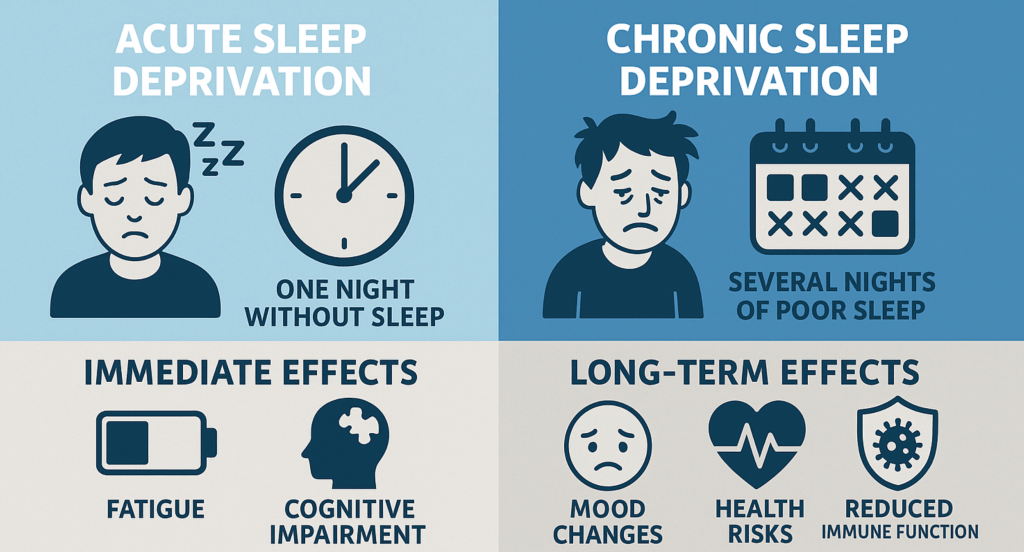
Acute sleep deprivation involves short-term sleep loss (e.g., one night), causing temporary fatigue and impaired focus. Chronic sleep deprivation is prolonged insufficient sleep (weeks to years), linked to serious health risks like heart disease and depression. Both disrupt wellbeing but require different management approaches.
Introduction
Sleep deprivation can take different forms, each with unique impacts on your health and wellbeing. Acute sleep deprivation occurs from short-term sleep loss, while chronic sleep deprivation builds over time. Both types can affect your physical, mental, and emotional health in distinct ways. This page compares acute and chronic sleep deprivation and offers strategies to manage them.
Exploring the Differences Between Acute and Chronic Sleep Deprivation
Defining Acute and Chronic Sleep Deprivation
Acute sleep deprivation refers to a short period of insufficient sleep, often from one night of poor rest. It might happen due to a late night, stress, or travel across time zones. Chronic sleep deprivation, however, involves consistent lack of sleep over weeks, months, or years. This ongoing issue often stems from lifestyle, work demands, or untreated sleep disorders.
- Acute sleep deprivation is missing sleep for 24–48 hours, like pulling an all-nighter for work.
- Chronic sleep deprivation means getting less than 7 hours nightly for weeks, leading to a sleep debt.
Effects of Acute Sleep Deprivation
Acute sleep deprivation can immediately affect your body and mind after just one night of poor sleep. You might feel tired, irritable, and struggle to focus on tasks the next day. It can also slow your reaction times, making activities like driving more dangerous. While the effects are temporary, they can still disrupt your daily performance.
- One night of acute sleep loss reduces cognitive performance by 30%, impacting memory and focus.
- Acute sleep deprivation slows reaction times by 20%, increasing the risk of accidents significantly.
Effects of Chronic Sleep Deprivation
Chronic sleep deprivation has more severe, long-term effects due to its ongoing nature. It can weaken your immune system, increase stress, and contribute to serious health issues like obesity or heart disease. Over time, it also affects your mental health, raising the risk of anxiety and depression. The cumulative impact makes it harder to recover without significant lifestyle changes.
- Chronic sleep loss increases the risk of heart disease by 45% over time due to sustained stress.
- Persistent sleep deprivation raises depression risk by 30%, affecting emotional regulation and mood.
Strategies to Address Sleep Deprivation
Addressing both acute and chronic sleep deprivation requires intentional changes to improve your sleep habits. Prioritise a consistent sleep schedule to help your body recover from acute sleep loss. For chronic deprivation, seek professional help if needed, and create a relaxing bedtime routine. These steps can restore healthy sleep patterns and improve your overall health.
- A consistent sleep schedule improves sleep quality by 20%, aiding recovery from acute sleep loss.
- A relaxing bedtime routine reduces chronic sleep issues by 15%, promoting better rest over time.
In Summary
Acute sleep deprivation causes short-term issues, while chronic sleep deprivation leads to serious health risks. Both types disrupt your focus, mood, and physical wellbeing significantly.
Address sleep deprivation with a consistent schedule and relaxing bedtime routine for better rest. These habits help you recover and reduce long-term health impacts effectively.
FAQ
Can you recover from chronic sleep deprivation?
Yes, but it requires consistent effort. Gradually increasing sleep duration by 15–30 minutes nightly helps rebuild healthy patterns.
How much sleep loss is considered acute?
Missing sleep for 24–48 hours is acute. Beyond 72 hours, symptoms mimic psychosis in extreme cases.
Does chronic sleep deprivation cause permanent damage?
Prolonged deprivation may accelerate brain aging, but many effects are reversible with sustained sleep improvement.
 Casually Healthy