
Benefits of Sunscreen | Benefits of Sun Exposure | How to Use Sunscreen Wisely | FAQ |
Quick Answer
Sunscreen protects your skin from UV damage, lowers the risk of skin cancer and premature aging, and prevents sunburn. Some sun exposure is still important for vitamin D and overall health, so balance is key.
Introduction
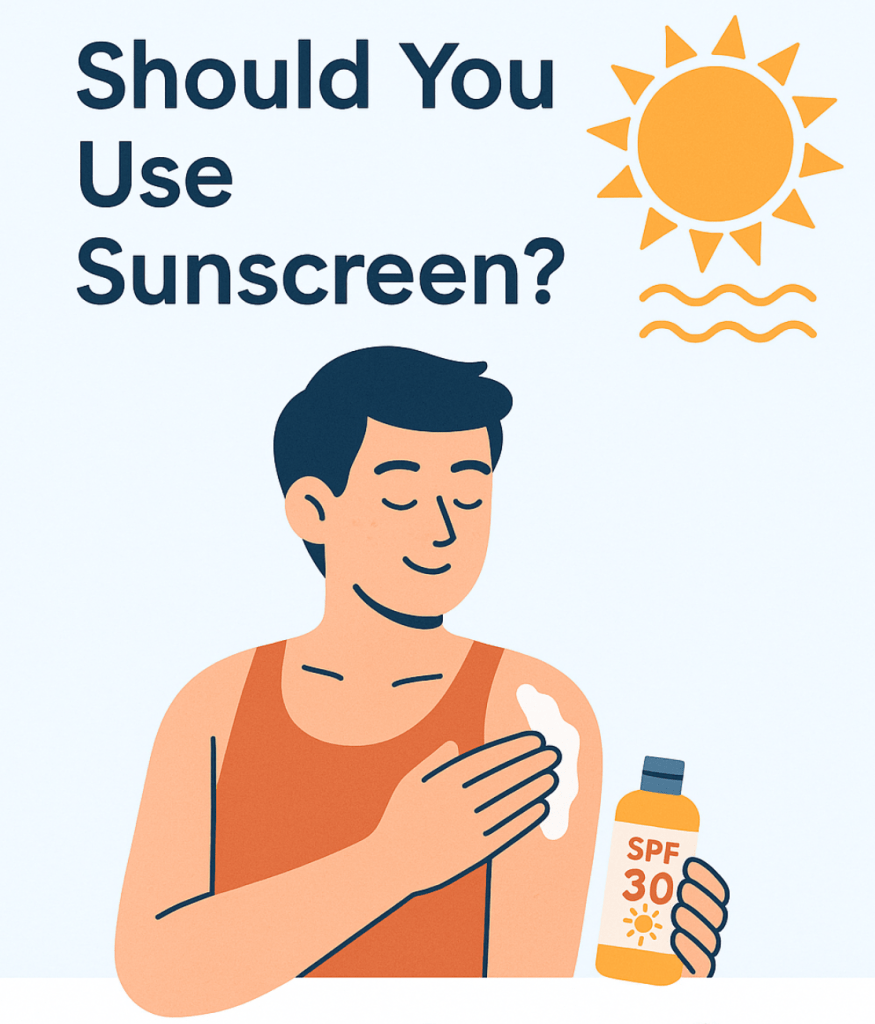
Sunscreen is a key tool for skin protection, but getting some sunlight is also essential for your health. The challenge is finding the right balance: too much sun increases your risk of skin cancer and speeds up aging, while too little can affect your vitamin D levels and overall well-being. Understanding when and how to use sunscreen helps you get the benefits of both sun protection and healthy sun exposure.
Understanding Sunscreen and Sun Exposure
Benefits of Sunscreen
Sunscreen offers several proven benefits for skin and long-term health.
- Shields your skin from UV rays that cause DNA damage and increase cancer risk.
- Reduces the risk of skin cancers, including melanoma.
- Helps prevent premature skin aging, including wrinkles and age spots.
- Prevents sunburn and painful skin damage.
Benefits of Sun Exposure
While sunscreen is important, moderate sun exposure also provides significant health benefits.
- Promotes vitamin D production for strong bones and immune health.
- Can improve mood and mental health by increasing serotonin levels.
- Helps regulate your circadian rhythm for better sleep.
- May assist with blood pressure control through the effects of sunlight on the skin.
How to Use Sunscreen Wisely
The best approach is to balance sun protection with the benefits of sunlight. In Australia, follow these guidelines:
- Apply sunscreen to exposed skin if you are outdoors for more than 15 minutes in summer.
- In winter, you can usually spend up to one hour outside before needing sunscreen.
- Always choose a broad-spectrum sunscreen with SPF 30 or higher.
- Reapply every two hours, or after swimming or sweating.
- Use physical sun protection like hats, sunglasses, and protective clothing.
Potential risks: Some people may experience skin irritation or allergic reactions. Consider mineral-based or reef-safe sunscreens if you have sensitivities or environmental concerns.
In Summary
Sunscreen is essential for protecting against UV damage, skin cancer, and premature aging. Moderate sun exposure is important for vitamin D, mood, and overall health. In Australia, use sunscreen for more than 15 minutes of sun in summer or after about an hour in winter, and always balance protection with healthy sun habits.
FAQ
Is sunscreen safe for daily use?
Yes, most people can use sunscreen daily without issues. If you have sensitive skin, try mineral-based or hypoallergenic formulas.
Can sunscreen block vitamin D production?
Sunscreen can reduce vitamin D synthesis, but most people still make enough with regular, brief sun exposure. If you’re concerned, discuss vitamin D testing or supplementation with your doctor.
Are there risks to using sunscreen?
Some individuals may experience irritation or allergic reactions. There are also concerns about certain chemical ingredients and their impact on the environment, so look for products that suit your needs.
How much sun is safe without sunscreen?
In Australia, about 15 minutes in summer or up to an hour in winter is generally considered safe for most people before applying sunscreen.
 Casually Healthy