
What is Muscle Degradation | Impacts Mobility and Independence | Increases Chronic Disease Risk | Affects Overall Life Expectancy | Strategies to Prevent Muscle Degradation | FAQ |
Quick Answer
Muscle degradation (sarcopenia) reduces life expectancy by increasing frailty, chronic disease risk, and mortality. It affects 10% of adults over 50 and 30% over 80, raising fall risk and mortality significantly. Strength training, protein intake, and activity can slow its progression.
Introduction
Muscle degradation, or sarcopenia, can significantly affect your life expectancy and quality of life as you age. It weakens your body, increases health risks, and impacts daily functioning over time. Understanding its effects is crucial for taking steps to maintain muscle health. This page explores how muscle degradation influences life expectancy and how to address it.
Understanding Muscle Degradation and Its Effects
1. What is Muscle Degradation?
Muscle degradation, known as sarcopenia, is the age-related loss of muscle mass, strength, and function. It typically begins after age 30 and accelerates after 60, driven by factors like inactivity and poor nutrition. This condition reduces your ability to perform physical tasks effectively. It also increases vulnerability to injuries and health complications over time.
- Muscle mass declines by 1–2% annually after age 30, accelerating after 60.
- Sarcopenia affects 10% of adults over 50, rising to 30% in those over 80.
2. Impacts Mobility and Independence
Muscle degradation severely impacts mobility and independence by weakening your ability to move and perform daily tasks. It reduces muscle strength, making walking, climbing stairs, or lifting objects more difficult. This loss of function often leads to a greater risk of falls and injuries. Over time, it can result in dependency on others for basic activities.
- Sarcopenia significantly increases fall risk in older adults due to reduced muscle strength.
- It limits mobility, with 20% of affected individuals struggling to climb stairs independently.
3. Increases Chronic Disease Risk
Muscle degradation increases the risk of chronic diseases by affecting your body’s metabolic health and physical resilience. It can lead to insulin resistance, raising the likelihood of diabetes, and contributes to obesity by slowing metabolism. Reduced muscle mass also weakens your immune system, making you more susceptible to illness. This heightened disease risk further impacts your overall health and longevity.
- Sarcopenia raises diabetes risk due to impaired insulin sensitivity.
- It increases obesity risk, as lower muscle mass slows your metabolism.
- Muscle loss weakens immunity, raising infection risk in older adults.
4. Affects Overall Life Expectancy
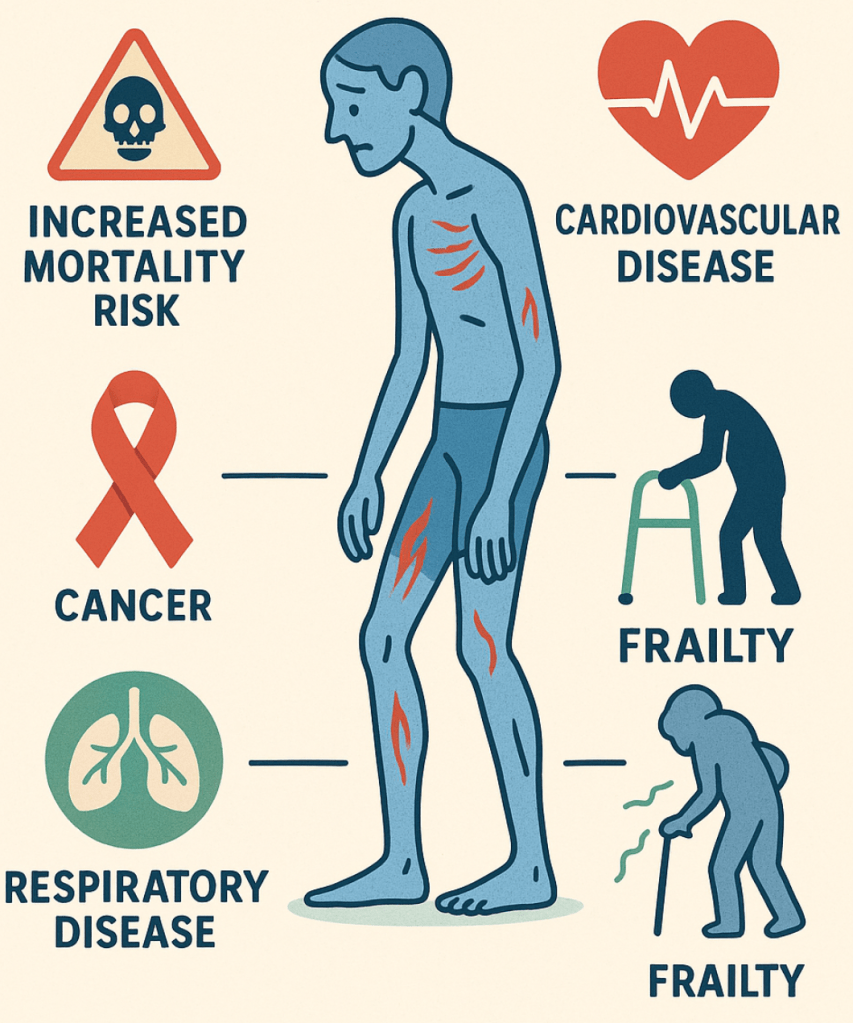
Muscle degradation directly affects life expectancy by increasing frailty and mortality risk in older adults. It contributes to a higher likelihood of death from falls, infections, and chronic diseases. Weaker muscles also reduce your ability to recover from illness or surgery. This cumulative impact significantly shortens lifespan and lowers quality of life.
- Sarcopenia increases mortality risk in adults over 65 due to frailty.
- It doubles the risk of death from falls, a leading cause of injury-related mortality.
- Muscle loss delays recovery from surgery, impacting long-term survival rates.
5. Strategies to Prevent Muscle Degradation
Preventing muscle degradation can improve your life expectancy and overall health through targeted lifestyle changes. Regular strength training and adequate protein intake help maintain muscle mass and function. Staying active and managing chronic conditions also reduce the risk of sarcopenia. These strategies support a longer, healthier life with greater independence.
- Strength training twice weekly preserves muscle mass, slowing decline.
- Consuming 1.2 grams of protein per kg of body weight daily supports muscle repair.
- Staying active reduces sarcopenia risk, promoting physical resilience.
In Summary
Muscle degradation impacts mobility, increases chronic disease risk, and shortens life expectancy. It leads to frailty, falls, and reduced recovery from illness over time.
Prevent muscle loss with strength training, adequate protein, and an active lifestyle. These habits help you maintain independence and live a longer, healthier life.
FAQ
At what age does muscle loss start?
Muscle mass declines by 1–2% yearly after 30, accelerating post 60.
Can sarcopenia be reversed?
Yes. Resistance training and protein can rebuild muscle mass even in seniors.
Does sarcopenia affect women more than men?
Prevalence is similar, but women face higher fall risks due to lower baseline muscle mass.
How is sarcopenia diagnosed?
Via grip strength tests, gait speed, and muscle mass scans.

