
What Are Rest Days | Muscle Recovery & Growth | Preventing Overtraining | Signs You Need a Rest Day | How to Structure Rest Days | FAQ |
Quick Answer
Rest days are essential for muscle repair, injury prevention, and long-term fitness progress. Skipping rest can lead to overtraining, stalled results, and even a decline in your fitness level.
Introduction
Rest days are a key part of any effective fitness routine, helping your body recover and adapt after tough workouts. Many people believe more training always means better results, but science and experience show that rest is just as important as exercise. Without proper rest, you risk fatigue, injury, and even setbacks in your progress. This guide explains why rest days matter and how to use them for the best results.
Why Rest Days Matter for Fitness Success
What Are Rest Days
Rest days are planned breaks from intense exercise that allow your body and mind to recover. They are not about laziness, but about giving your muscles, joints, and nervous system time to repair and recharge. Rest days can be completely passive or include gentle activities like walking or stretching.
- Rest days allow your body to repair and recover after workouts, preventing breakdown and burnout.
- Taking time off from intense exercise helps flush out lactic acid and reduces soreness.
- Rest is essential for both physical and mental health, keeping you motivated and energised.
Muscle Recovery & Growth
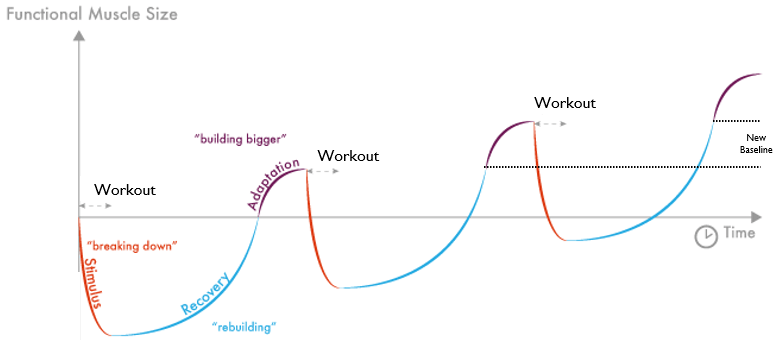
Muscle growth doesn’t happen during your workout—it happens during recovery. Exercise causes tiny tears in muscle fibres, which heal and grow stronger during rest. Skipping rest days can lead to incomplete recovery, stalling your progress and increasing your risk of injury.
- Muscles repair and grow stronger during rest, not during training.
- Rest days help replenish glycogen stores, restoring energy for your next session.
Preventing Overtraining
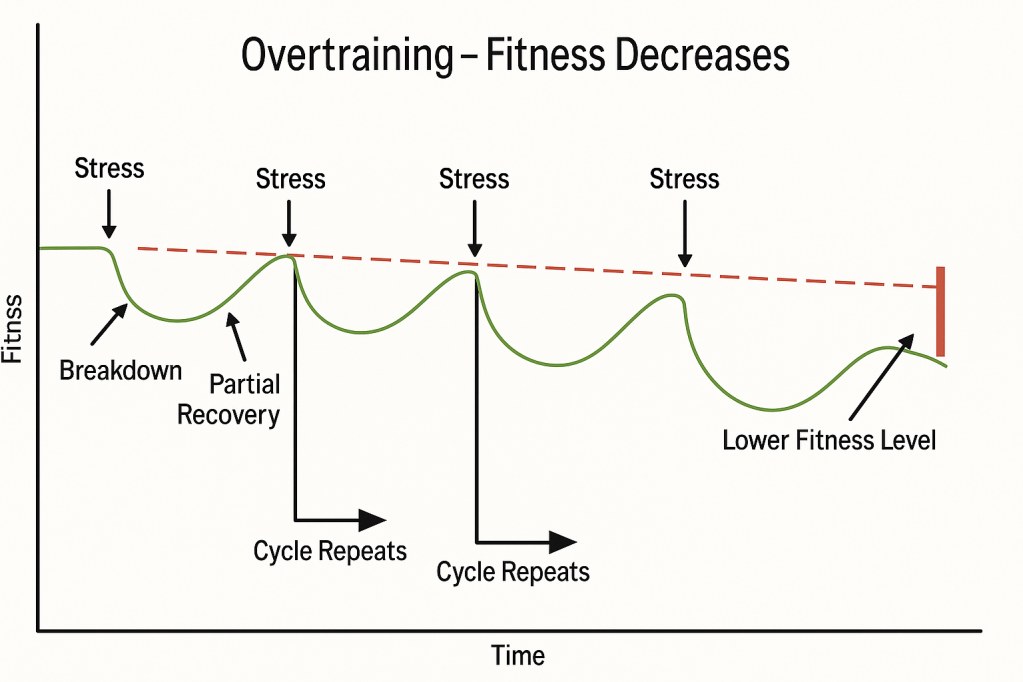
Overtraining occurs when you don’t allow enough time for recovery between workouts, causing your fitness level to drop over time. In contrast, ideal training (progressive overload with rest) lets your body recover fully, adapt, and reach a new, higher baseline.
- Overtraining can cause fatigue, injury, and even lower your fitness level.
- Rest days break the cycle of constant breakdown, allowing for full adaptation and progress.
Signs You Need a Rest Day
Listening to your body is key. Signs you need a rest day include persistent fatigue, soreness that won’t go away, irritability, poor sleep, and a drop in performance. Ignoring these signals can lead to injury or illness.
- Extreme muscle soreness and fatigue are clear signs you need a break.
- Mood changes, poor sleep, and frequent injuries indicate overtraining.
- Plateauing or declining performance means your body needs more recovery.
How to Structure Rest Days
Rest days can be passive (complete rest) or active (light movement like walking, yoga, or stretching). Most people benefit from at least one full rest day per week, and more if training intensely. Use rest days to support recovery, prevent injury, and keep your workouts effective.
- Experts recommend at least one rest day per week for most people.
- Actively recover through gentle movement can help increase blood flow and speed up healing.
- Rest days make your routine more sustainable, helping you build long-term fitness habits.
In Summary
Rest days are vital for muscle recovery, injury prevention, and lasting progress. Listen to your body, schedule regular rest, and embrace recovery as a key part of your fitness journey.
FAQ
How often should I take a rest day?
Most people benefit from at least one to two rest days per week, depending on training intensity and individual needs.
What should I do on a rest day?
Focus on light activity (like walking or stretching), hydration, and good nutrition to support recovery.
Can I lose progress by resting?
No—rest days help your body adapt and grow stronger, making them essential for continued improvement.
What are signs I need more rest?
Persistent fatigue, declining performance, irritability, and trouble sleeping can all indicate a need for more recovery.

