Bench Press | Incline Bench Press | Dual Dumbbell Curl | Shoulder Press | Dumbbell Lateral Raises | Chest Fly | Raised Chest Fly | Overhead Tricep Extension | Upright Rows | Single Arm Rows | FAQ |
Quick Answer
The best free weight exercises for upper body strength are bench press, incline bench press, dual dumbbell curl, shoulder press, dumbbell lateral raises, chest fly, raised chest fly, overhead tricep extension, upright rows, and single arm rows. These moves target the chest, shoulders, arms, and back for muscle growth, posture, and functional strength.
Introduction
Free weight exercises are a versatile and effective way to build upper body strength, improve posture, and enhance fitness for the average person. Using dumbbells and barbells, these exercises target key muscle groups like the chest, shoulders, arms, and back. This page explores ten ideal free weight exercises, each designed to maximise muscle growth and functional strength. These movements are accessible, adaptable, and backed by research for safe, measurable results.
Building Upper Body Strength with Free Weights
1. Bench Press
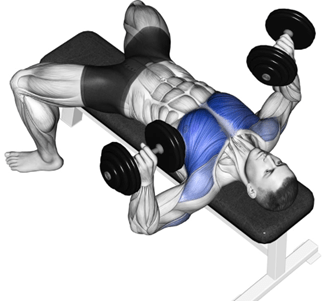
The bench press is a foundational exercise targeting the chest, shoulders, and triceps. It builds upper body strength and muscle mass, ideal for overall fitness. Proper form ensures safety and maximises benefits.
- Benefits: Builds chest, shoulder, and triceps strength; increases muscle mass and pushing power.
- Form Tips: Keep elbows at a 75-degree angle from your torso, maintain a stable grip, and press feet into the floor.
- Research: Shown to improve upper body strength and posture.
2. Incline Bench Press
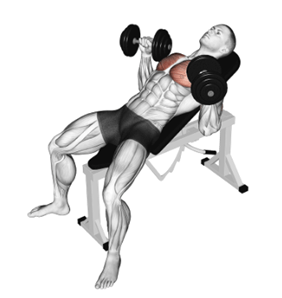
The incline bench press targets the upper chest and shoulders, enhancing chest definition and strength. It complements the standard bench press for balanced muscle development. This exercise improves upper body aesthetics and pushing strength.
- Benefits: Targets upper chest and shoulders; enhances chest definition.
- Form Tips: Set bench at 30–45 degrees, lower bar to upper chest, and avoid arching your back.
- Research: Increases upper chest activation and shoulder stability.
3. Dual Dumbbell Curl
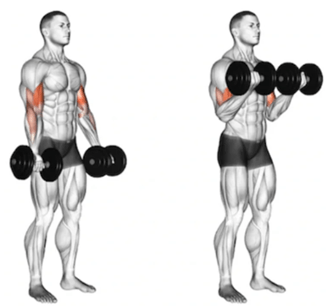
Dual dumbbell curls strengthen the biceps, improving arm strength and aesthetics. This exercise allows a full range of motion, enhancing muscle activation. It’s ideal for functional tasks like lifting and carrying.
- Benefits: Builds biceps strength; supports daily lifting tasks.
- Form Tips: Keep elbows close to your torso, rotate wrists at the top, and avoid swinging.
- Research: Enhances muscle activation and range of motion.
4. Shoulder Press
The shoulder press, performed with dumbbells or a barbell, targets the deltoids and triceps. It builds shoulder strength and stability, crucial for overhead movements. This exercise enhances posture and upper body power.
- Benefits: Increases shoulder and triceps strength; improves upper body power.
- Form Tips: Press weights overhead with a neutral spine, avoid locking elbows, and keep core engaged.
- Research: Improves shoulder stability and functional strength.

5. Dumbbell Lateral Raises
Dumbbell lateral raises isolate the lateral deltoids, enhancing shoulder width and definition. They improve shoulder stability and aesthetics, ideal for balanced upper body development. Light weights with proper form yield optimal results.
- Benefits: Boosts shoulder definition and width; improves joint stability.
- Form Tips: Lift with a slight bend in elbows, raise arms to shoulder height, and use light weights.
- Research: Shown to activate lateral deltoids effectively.

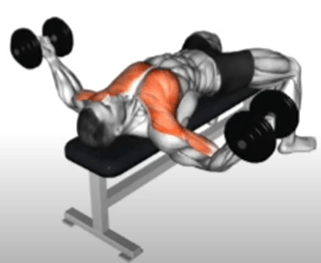
6. Chest Fly
The chest fly, typically performed with dumbbells, targets the pectoral muscles for chest strength and definition. It stretches and contracts the chest, enhancing muscle growth. Proper form prevents shoulder strain. It’s effective for building a balanced chest.
- Benefits: Enhances chest flexibility and strength; complements pressing exercises.
- Form Tips: Keep a slight bend in elbows, lower weights slowly, and avoid overstretching.
- Research: Improves pectoralis muscle activation.
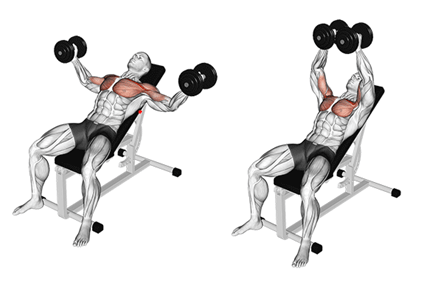
7. Raised Chest Fly
The raised chest fly, performed on an incline bench, emphasizes the upper chest and shoulders. It enhances chest definition and complements other pressing movements. This variation increases muscle activation for balanced development.
- Benefits: Focuses on upper chest and shoulder activation.
- Form Tips: Set bench to an incline, control the movement, and keep shoulders down.
- Research: Increases upper chest muscle recruitment.
8. Overhead Tricep Extension
Overhead Tricep extensions isolate the triceps, building arm strength and size. Performed with a dumbbell, they enhance elbow stability and functional power. Proper form prevents shoulder strain.
- enefits: Strengthens triceps and elbow support.
- Form Tips: Keep elbows close to your head, extend fully but don’t lock, and use a controlled motion.
- Research: Shown to increase triceps hypertrophy.

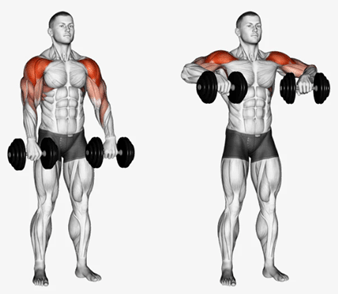
9. Upright Rows
Upright rows target the traps and deltoids, enhancing shoulder and upper back strength. They improve posture and pulling power, ideal for functional fitness. Proper form prevents shoulder impingement.
- Benefits: Enhances upper back and shoulder power.
- Form Tips: Lift weights only to chest height, keep elbows above wrists, and use moderate weights.
- Research: Supports shoulder and upper back development.
10. Single Arm Rows
Single arm rows, performed with a dumbbell, target the lats, traps, and biceps. They improve back strength, posture, and unilateral balance. This exercise enhances pulling power for daily tasks.
- Benefits: Develops lats, traps, and biceps; supports pulling power.
- Form Tips: Keep spine neutral, pull with your elbow, and avoid rotating your torso.
- Research: Improves back muscle activation and posture.

In Summary
Ideal free weight exercises for upper body strength include bench press, shoulder press, dual dumbbell curls, and more, targeting chest, shoulders, arms, and back. These exercises build muscle, improve posture, and enhance functional fitness.
Start with bench press and curls for major muscle groups, add lateral raises and rows for balance, and use proper form to avoid injury. Incorporate these exercises 2–3 times weekly for sustainable progress.
FAQ
How many sets and reps should I do for upper body strength?
Aim for 3–4 sets of 8–12 reps per exercise, adjusting weight to maintain good form and reach near-muscular fatigue by the last rep.
Can beginners perform these exercises?
Yes. Start with lighter weights and focus on mastering technique before increasing resistance.
Should I use dumbbells or barbells?
Both are effective. Dumbbells allow for greater range of motion and unilateral work, while barbells enable heavier loads for compound lifts.
How do I avoid injury with free weights?
Warm up, use proper form, and progress gradually. Avoid excessive weights and stop if you feel pain.

