
What is Satiety? | Nutrient Satiety Ratios | Most Satiating Foods | Combining Nutrients for Satiety | FAQ |
Quick Answer
Protein-rich foods are generally the most satiating, followed by foods high in fibre and complex carbohydrates. Boiled potatoes, fish, oatmeal, and eggs rank highest for satiety, while combining protein and healthy fats can help you feel full for longer.
Introduction
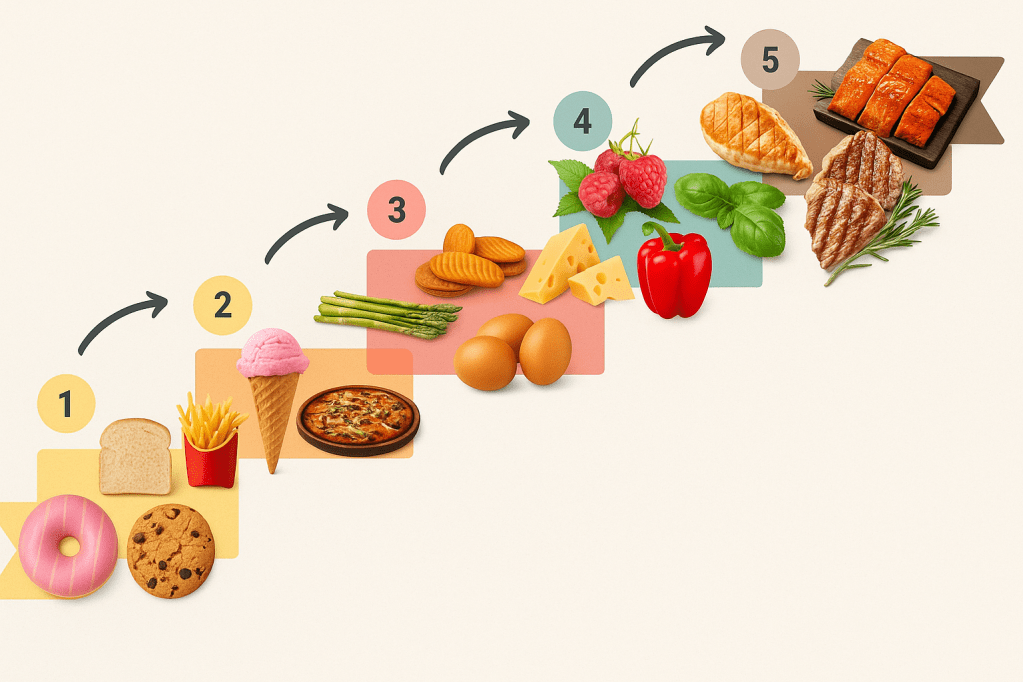
Satiety is the feeling of fullness and satisfaction after eating, and it plays a key role in managing hunger and food intake. While satiety can vary between individuals, scientific research has shown that certain nutrients and foods are more effective at keeping you full. Understanding which foods and nutrients are most satiating can help you make better choices for appetite control and long-term health.
Understanding Satiety and Food Choices
What is Satiety?
Satiety refers to how full and satisfied you feel after eating, which helps regulate how much you eat at your next meal. Different nutrients influence satiety in different ways, and the effect can depend on the type of food, its nutrient content, and how quickly it is digested.
- Protein has the highest satiety effect among macronutrients.
- Fibre and complex carbohydrates also help increase fullness.
- Fats have a lower satiety rating but slow digestion, prolonging fullness.
Nutrient Satiety Ratios
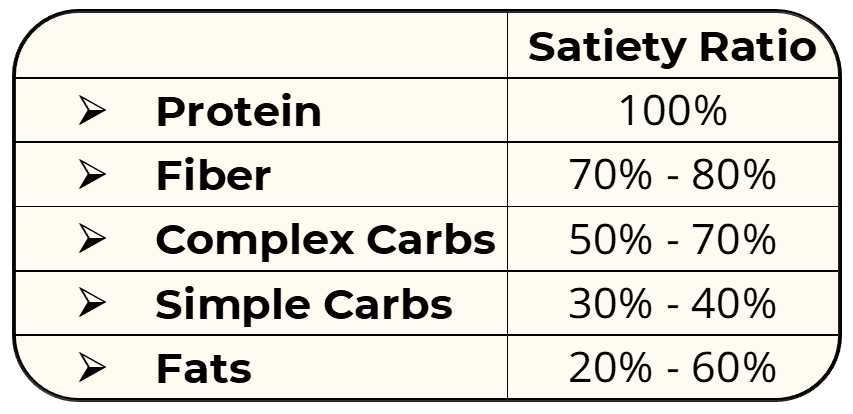
Research shows how different nutrients compare in terms of their satiety effects. Protein is the most satiating, followed by fibre, complex carbs, simple carbs, and fats.
What Are The Most Satiating Foods
Some foods have been scientifically ranked for their ability to keep you full. The Satiety Index, compares how filling different foods are relative to white bread (set at 100).
- Boiled potatoes score highest (323), making them the most satiating food tested.
- Fish (225), oatmeal (209), oranges (202), and apples (197) also rank high.
- Protein-rich foods like eggs and beef are more filling than foods high in simple carbs or fats.
Combining Nutrients for Satiety
Although fats have a lower satiety rating, they take longer to digest, which can help you feel full for a longer period. Combining protein with healthy fats provides a high level of satiety and helps sustain fullness between meals.
- Meals with protein and fat keep you fuller for longer compared to carbs alone.
- Fibre-rich foods slow digestion and enhance satiety.
- Choosing whole foods that combine these nutrients is effective for appetite control.
In Summary
Protein-rich foods and those high in fibre are the most effective for increasing satiety and controlling hunger. Boiled potatoes, fish, oatmeal, and eggs are among the most filling foods. Combining protein with healthy fats and fibre can help you stay full for longer and better manage your appetite.
FAQ
What single food is most filling?
Boiled potatoes have been shown to be the most satiating food in scientific studies, scoring highest on the Satiety Index.
Are high-protein foods always the most satiating?
Protein is generally the most satiating macronutrient, but the effect can level off once your body’s protein needs are met. Combining protein with fibre and healthy fats is most effective.
How does fibre affect fullness?
Fibre slows digestion and adds bulk to your meals, helping you feel fuller for longer and supporting healthy digestion.
Can combining nutrients help control hunger?
Yes, meals that include protein, fibre, and some healthy fats are the most effective for controlling hunger and maintaining satiety between meals.

