Benefits of Meal Planning | Getting Started | Meal Planning Steps | Meal Prep Strategies | Storage Tips | 10 Go-To Recipes | FAQ |
Quick Answer
Meal planning and prepping saves time and money while helping you eat healthier meals throughout the week. By dedicating a few hours to planning and preparation, you can avoid expensive takeout, reduce food waste, and ensure you always have nutritious options ready to eat.
Introduction
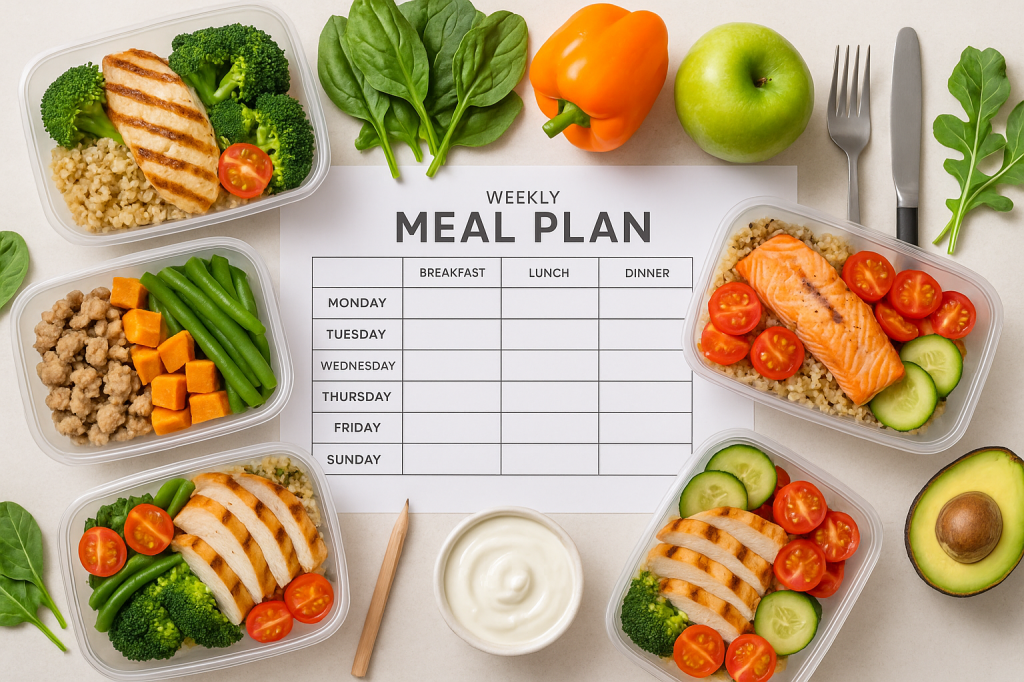
Meal planning and prepping is a practical approach to saving time, reducing food expenses, and supporting healthier eating habits throughout the week. By dedicating a few hours to organizing meals and preparing ingredients in advance, you can avoid the pitfalls of expensive takeout, minimize food waste, and ensure that nutritious options are always within reach. Whether your goal is to streamline your routine, improve your diet, or simply make mealtimes less stressful, meal planning offers a flexible solution that fits a variety of lifestyles and dietary preferences.
Benefits of Meal Prepping
Saves Time and Money
Meal planning significantly reduces the time and money spent on daily food preparation and last-minute takeout orders. Research shows that people who spend less than one hour per day on food preparation at home spend significantly more money on takeout.
- Reduces grocery costs by allowing you to shop with a specific list and take advantage of sales
- Minimizes food waste by using ingredients efficiently across multiple meals
- Eliminates expensive takeout when you’re tired or pressed for time
Improves Nutrition and Health
When you plan and prepare meals in advance, you’re more likely to make nutritious choices that align with your health goals. Having ready-to-eat healthy options prevents the temptation to reach for convenient but less nutritious alternatives.
- Increases consumption of vegetables and whole grains by planning balanced meals
- Helps with portion control and balanced nutrition
- Supports weight management and fitness goals through consistent, nutritious eating
Getting Started
Essential Tools for Meal Prep
Having the right tools makes meal prepping more efficient and enjoyable. Invest in quality containers and basic kitchen equipment to streamline the process.
- Quality knives and cutting boards for efficient food preparation
- Storage containers in various sizes (glass or BPA-free plastic)
- Measuring tools for consistent portion control and recipe accuracy
Glass vs. Plastic Containers
The debate between glass and plastic containers comes down to your specific needs and preferences. Glass containers are generally considered a better all round choice though.
- Glass containers are non-toxic, don’t retain odors, and can go from freezer to oven or microwave
- Plastic containers are lightweight, less expensive, and less likely to break
- Consider both for different purposes—glass for reheating, plastic for transporting
Meal Planning Steps
Step 1: Check Your Calendar
Review your upcoming week to understand how many meals you’ll need and how much time you’ll have for cooking. This helps you plan realistically and avoid food waste.
- Note busy evenings when you’ll need quick-to-prepare options
- Identify days when you’ll be eating out or away from home
- Plan for leftovers to maximize efficiency
Step 2: Take Inventory
Before shopping, check what you already have in your pantry, refrigerator, and freezer. This prevents buying duplicates and helps you use up ingredients before they spoil.
- Note items nearing expiration that should be used first
- Identify staples that need replenishing
- Consider how to incorporate existing ingredients into your meal plan
Step 3: Choose Your Recipes
Select recipes that fit your schedule, dietary preferences, and skill level. Having a rotation of 10 favorite recipes makes planning easier and more efficient.
- Pick recipes with overlapping ingredients to minimize waste
- Balance quick-cooking meals with those that take more time
- Include a mix of proteins and vegetables for nutritional variety
Step 4: Create a Shopping List
Organize your shopping list by store sections to make grocery shopping more efficient. Include quantities needed for each ingredient to avoid over-purchasing.
- Group items by produce, dairy, meat, pantry, etc.
- Check for sales and seasonal items to maximize budget
- Stick to your list to avoid impulse purchases
Meal Prep Strategies
Batch Cooking
Prepare large quantities of staple foods that can be used in multiple meals throughout the week. This approach saves time and creates flexibility in your meal options.
- Cook a large batch of protein (chicken, beans, tofu) to use in different dishes
- Prepare versatile grains like rice or quinoa that pair with various meals
- Roast a tray of mixed vegetables for sides, salads, or grain bowls
Component Prepping
Instead of assembling complete meals, prepare individual components that can be mixed and matched. This strategy provides variety while still saving time.
- Chop vegetables for quick stir-fries, salads, or snacking
- Pre-cook proteins that can be added to different meals
- Prepare sauces and dressings to add flavor to simple ingredients
Full Meal Assembly
Assemble complete, ready-to-eat meals in individual containers for grab-and-go convenience. This works well for busy professionals or when you need portable options.
- Portion meals into individual containers for easy transport
- Label with dates to track freshness
- Consider separating components that might get soggy (like dressings or toppings)
Storage Tips
Food Safety Guidelines
Different foods have varying shelf lives, which affects how far in advance you can prepare them. Understanding proper storage times helps maintain food safety and quality.
- Cooked proteins: 3-4 days in the refrigerator or up to 3 months frozen
- Cooked grains and pasta: 3-5 days refrigerated or up to 3 months frozen
- Prepared salads: Up to 5 days if dressing is stored separately
Maximizing Freshness
Proper storage techniques help maintain the quality and taste of your prepped meals.
- Cool food completely before refrigerating or freezing to prevent bacterial growth
- Use airtight containers to prevent moisture loss and odor transfer
- Store different components separately when possible to maintain textures
10 Go-To Recipes
Having a rotation of favorite recipes simplifies meal planning and ensures you’ll enjoy what you’ve prepared. These versatile options work well for meal prep and can be customized to your taste preferences.
- Sheet Pan Chicken and Vegetables: Easy one-pan cooking with endless vegetable combinations
- Overnight Oats: Prepare breakfast for the week in minutes
- Grain Bowls: Combine rice or quinoa with proteins and vegetables for versatile lunches
- Slow Cooker Chili: Freezes well and improves with time
- Chicken Burrito Bowls: Customizable with your favorite toppings
- Pasta Salad: Holds up well for days and works hot or cold
- Breakfast Egg Muffins: Protein-packed and easily reheated
- Stir-Fry with Rice: Quick to prepare and adaptable to any protein
- Hearty Soup or Stew: Perfect for batch cooking and freezing
- Roasted Vegetable Couscous: Light yet satisfying for lunches or sides
In Summary
Meal planning and prepping is a powerful strategy for anyone looking to eat healthier, save money, and simplify their weekly routine. By planning meals, shopping efficiently, and preparing food in advance, you can reduce impulse purchases, minimize waste, and ensure balanced nutrition even on your busiest days. Starting small, investing in the right tools, and using flexible prep strategies—such as batch cooking, component prepping, or full meal assembly—can make the process manageable and enjoyable. With the right approach, meal planning becomes an easy habit that supports your health and helps you achieve your nutrition goals.
FAQ
How do I avoid getting bored with meal prep?
Incorporate variety through different spices, sauces, and preparation methods even when using similar base ingredients. Rotate between your favorite recipes and try one new recipe every few weeks.
Can I meal prep if I have dietary restrictions?
Absolutely! Meal prepping is highly adaptable to any dietary needs, including vegetarian, vegan, gluten-free, or allergen-free requirements. Focus on recipes specifically designed for your dietary needs.
How do I prevent food from getting soggy?
Store wet and dry ingredients separately until ready to eat, particularly for salads and sandwiches. Use compartmentalized containers to keep components separate.
Is meal prepping cost-effective?
Yes, meal prepping typically reduces food costs by 25-30% compared to eating out or buying single-serve prepared foods. It minimizes food waste and allows you to buy ingredients in bulk.

