What is the Microbiome? | Benefits of a Healthy Gut | How to Improve Your Microbiome | FAQ |
Quick Answer
A healthy gut microbiome supports better appetite control, metabolic health, reduced inflammation, lower fat retention, and improved mood. The best way to maintain gut health is to avoid processed foods, eat more fibre-rich foods, and include fermented foods or probiotics in your diet.
Introduction
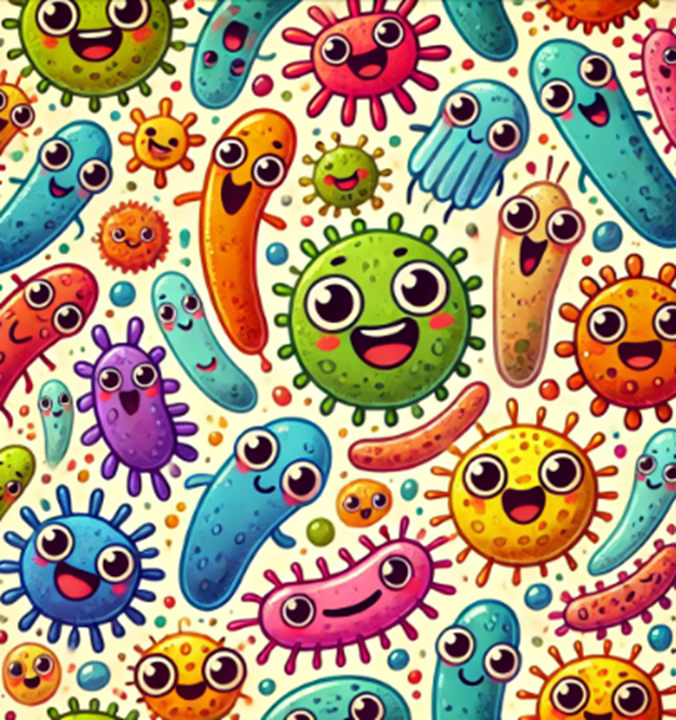
The gut microbiome is a community of trillions of bacteria living in your digestive tract. Research is uncovering just how important these microbes are for your overall health, from appetite and metabolism to inflammation and even mood. By making simple changes to your diet, you can nurture a healthier gut and enjoy wide-ranging benefits.
Understanding Gut Health and the Microbiome
What is the Microbiome?
The microbiome refers to the collection of bacteria and other microorganisms living in your gut. These microbes help break down food, produce vitamins, and play a role in immune function. A balanced microbiome is linked to better digestion and protection against harmful bacteria.
- The gut microbiome influences digestion and nutrient absorption.
- A diverse microbiome helps support immune health.
- Imbalances in gut bacteria can contribute to digestive problems and illness.
Benefits of a Healthy Gut
A well-balanced gut microbiome offers a range of benefits for your body and mind. Good gut health can help control hunger, improve how your body uses energy, and reduce inflammation.
- A healthy microbiome can reduce hunger signals, making it easier to manage your appetite.
- Improved gut health is linked to better metabolic function and less fat storage.
- A balanced microbiome helps lower inflammation and can boost your mood.
How to Improve Your Microbiome
Maintaining a healthy gut is simple with the right habits. Avoiding processed foods is the most important step, as these can disrupt your microbiome. Adding probiotics, fermented foods, and more fibre (prebiotics) to your diet can further support gut health.
- Avoid processed foods to help your good bacteria thrive.
- Eat fermented foods like yoghurt, kefir, sauerkraut, kimchi, and miso for natural probiotics.
- Increase prebiotic fibre from foods like garlic, onions, bananas, and whole grains to feed healthy gut bacteria.
In Summary
A healthy gut microbiome is linked to better appetite control, metabolism, reduced inflammation, and improved mood. You can support your gut by avoiding processed foods, eating more fibre, and including fermented foods or probiotics in your diet.
FAQ
What are signs of poor gut health?
Common signs include bloating, irregular bowel movements, frequent illness, and low energy.
Can probiotics really help my gut?
Yes, probiotics from supplements or fermented foods can help restore balance to your gut bacteria, especially after illness or antibiotic use.
How quickly can I improve my gut health?
Positive changes can begin within a few days to weeks of improving your diet, but lasting benefits come from long-term habits.
Are prebiotics and probiotics the same?
No, prebiotics are fibres that feed your good bacteria, while probiotics are live bacteria found in fermented foods and supplements.
 Casually Healthy