
How Intermittent Fasting Schedules Work | Sample 18:6 Eating Schedule | Best Foods for Your Eating Window | FAQ |
Quick Answer
Intermittent fasting schedules like 16:8 and 18:6 involve fasting for 16 or 18 hours and eating during an 8- or 6-hour window. You can adjust your eating and fasting times to fit your lifestyle, focusing on nutritious whole foods during your eating window.
Introduction
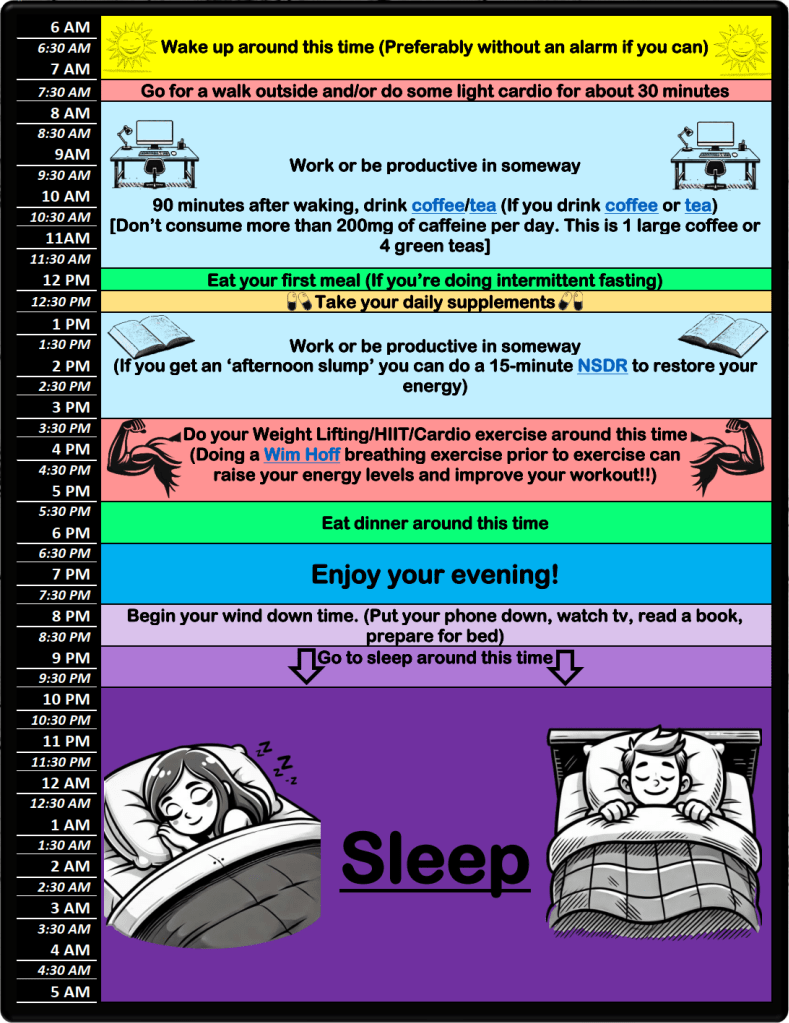
Intermittent fasting is a flexible approach to eating that cycles between periods of fasting and eating each day. The most popular schedules are 16:8 and 18:6, where you fast for 16 or 18 hours and eat during the remaining hours. The attached image provides a visual example of how you might structure your day, including when to wake up, exercise, eat, and sleep. Choosing an eating window that fits your routine makes intermittent fasting easier to maintain and more effective for your goals.
Understanding Intermittent Fasting Schedules
How Intermittent Fasting Schedules Work
Intermittent fasting is based on the idea of eating all your meals within a set time frame each day and fasting for the rest. The two most common approaches are:
- 16:8 schedule: Fast for 16 hours, eat during an 8-hour window (e.g., 12 p.m. to 8 p.m. or 10 a.m. to 6 p.m.).
- 18:6 schedule: Fast for 18 hours, eat during a 6-hour window (e.g., 12 p.m. to 6 p.m. or 1 p.m. to 7 p.m.).
You can adjust your eating window to suit your lifestyle, work, and exercise habits. Many people find it easiest to skip breakfast and have their first meal around midday
Sample 18:6 Eating Schedule
Here’s an example of a 16:8 intermittent fasting day based on expert recommendations:
Best Foods for Your Eating Window
For the best results, focus on nutrient-dense, whole foods during your eating window. Limit ultra-processed foods, sugary snacks, and deep-fried items to maximise the benefits of intermittent fasting.
- Protein: Eggs, fish, poultry, lean meats, tofu, legumes, dairy, nuts, and seeds.
- Vegetables: Leafy greens, broccoli, cauliflower, tomatoes, cucumbers, and colourful veggies.
- Fruits: Berries, apples, oranges, pears, and other fresh fruit.
- Whole grains: Brown rice, oats, quinoa, barley, and whole wheat bread (if tolerated).
- Healthy fats: Avocado, olive oil, nuts, seeds, and fatty fish.
- Beverages: Water, black coffee, and unsweetened tea (even during fasting hours).
In Summary
Intermittent fasting schedules like 16:8 and 18:6 are flexible and can be tailored to your lifestyle. Choose an eating window that fits your day, focus on whole foods, and stay hydrated for the best results.
FAQ
Can I change my eating window from day to day?
Yes, you can adjust your eating and fasting windows to fit your schedule, but consistency helps your body adapt.
What should I eat to break my fast?
Choose a balanced meal with protein, healthy fats, and fibre-rich carbs to support energy and satiety.
Can I drink coffee or tea during fasting?
Yes, black coffee and unsweetened tea (with no milk or sugar) are fine during fasting hours.
Is it okay to exercise while fasting?
Light to moderate exercise is generally safe while fasting. Listen to your body and adjust intensity as needed.
 Casually Healthy