The Health Hierarchy | Additional Health Areas | What Healthy Looks Like | Healthspan vs Lifespan | Summary | FAQ |
Quick Answer
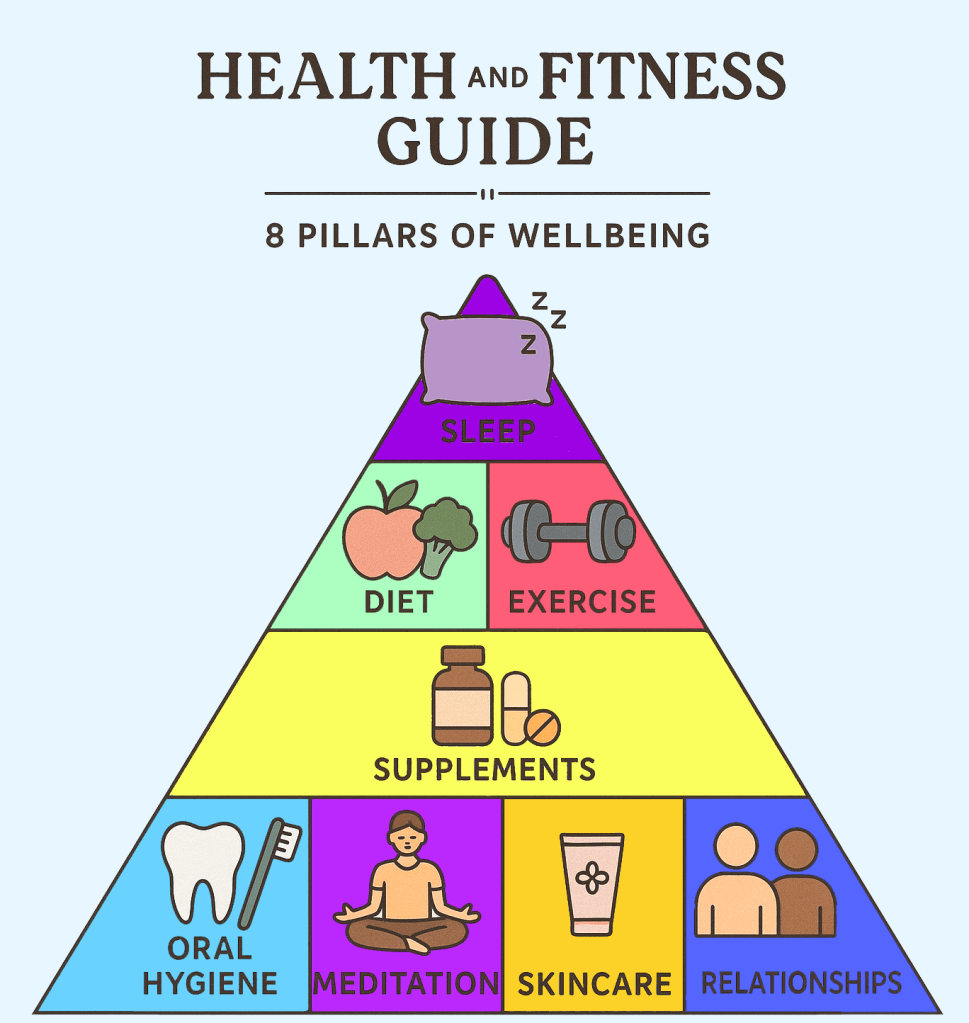
True health extends far beyond simply avoiding illness and encompasses eight essential pillars that work together to create optimal wellbeing. The foundation begins with sleep as the most critical intervention, followed by exercise and diet as equally important, then supplementation as support. Additional crucial areas include skincare, oral hygiene, meditation, and strong relationships, all contributing to what healthy truly looks like: being physically capable, mentally sharp, emotionally balanced, and socially connected.
Introduction
In our quest for optimal health, understanding the hierarchy and interconnection of different health interventions can transform how we approach wellness. Modern health science reveals that certain lifestyle factors have more profound impacts than others, creating a priority system that maximizes our efforts and results. This comprehensive guide explores the eight pillars of health, from the foundational importance of sleep to the supportive role of relationships, providing you with a roadmap to achieve true vitality and extend your healthspan rather than just your lifespan.
The Health Hierarchy
Sleep: The Foundation of All Health
Sleep stands at the apex of health interventions because it fundamentally affects every other aspect of our wellbeing. Quality sleep serves as the master regulator of hormones, immune function, and cognitive performance, making it the most impactful single intervention for health. During sleep, your body produces immune cells that fight infections while simultaneously repairing muscle tissue and consolidating memories.

- Prioritize 7-9 hours of quality sleep nightly for optimal hormone regulation and immune function
- Create consistent sleep schedules to support your body’s natural circadian rhythm patterns for better recovery
- Focus on sleep hygiene practices including cool, dark environments free from electronic screens
Diet: The Cellular Foundation
function, hormone production, and metabolic processes. Nutrition affects metabolism, determines how effectively your body burns calories, and influences hormonal balance that controls hunger, digestion, and overall health. Quality nutrition serves as the primary source of energy and provides essential nutrients that cannot be obtained through exercise alone.

- Focus on nutrient-dense whole foods including fruits, vegetables, and lean proteins to fuel cellular repair and energy production
- Choose foods that provide building blocks for cellular function including amino acids for protein synthesis and vitamins for enzyme activation
- Prioritize weight management through nutrition as diet proves more effective than exercise alone for controlling body weight
Exercise: Building Physical and Mental Resilience
Exercise serves as a cornerstone pillar that uniquely enhances cardiovascular health, builds muscle mass, and releases mood-boosting endorphins while improving cognitive function. Regular physical activity reduces the risk of heart attacks, strokes, diabetes, and certain cancers while simultaneously strengthening bones and improving mental sharpness. Exercise provides benefits that diet alone cannot achieve, particularly in building physical capacity and muscular strength.

- Incorporate strength training exercises to improve cardiovascular health and reduce heart disease risk by up to 40%
- Engage in regular physical activity to reduce blood pressure and improve circulation while building muscle mass
- Use exercise as a tool to combat depression and anxiety by naturally releasing endorphins and stress-reducing chemicals
Supplementation: Strategic Support
Supplementation serves as the final tier in the hierarchy, providing targeted support when diet and lifestyle cannot fully meet nutritional needs. Priority nutrients include vitamin D, omega-3 fatty acids, magnesium, and high-quality multivitamins, particularly when addressing specific deficiencies or health goals. The key lies in choosing pharmaceutical-grade supplements and focusing on evidence-based nutrients rather than trendy additions.

- Prioritize vitamin D and omega-3 fatty acids as the most commonly deficient nutrients with health implications
- Choose pharmaceutical-grade supplements for better quality control and verified potency over food-grade options
- Consider starting with omega-3 supplementation as research shows small but protective effects on biological aging
Additional Health Areas
Skincare: Your Protective Barrier
Skincare represents far more than vanity, serving as essential maintenance for your body’s largest organ and first line of defense against environmental threats. A consistent skincare routine protects against premature aging, prevents infections, and supports overall health by maintaining your skin’s protective barrier function. Daily cleansing, moisturizing, and sun protection form the foundation of effective skin health.

- Establish a simple routine with cleanser, moisturizer, and SPF as the essential daily steps
- Choose products appropriate for your skin type while avoiding over-complicated routines that can irritate and damage skin barriers
- Understand that consistent daily care provides better long-term results than sporadic intensive treatments
Oral Hygiene: Gateway to Systemic Health
Oral hygiene extends far beyond fresh breath and white teeth, serving as a critical gateway to overall systemic health and disease prevention. Poor oral health connects directly to cardiovascular disease, diabetes, and inflammatory conditions throughout the body, making daily dental care an essential health intervention. The mouth harbors bacteria that can enter the bloodstream and affect distant organs.
- Practice daily brushing and flossing to remove bacterial plaque that causes both local and systemic inflammation
- Schedule regular dental checkups for early detection of oral cancer and gum disease
- Maintain a diet rich in calcium and vitamin C while limiting sugar intake for optimal oral health
Meditation: Mental Training for Resilience
Meditation functions as mental training that builds resilience, reduces stress, and improves both physical and mental health outcomes. Regular meditation practice strengthens the immune system, lowers blood pressure, and enhances emotional regulation while reducing anxiety and depression. Just minutes of daily mindfulness can create lasting positive changes in brain structure and function.

- Practice daily mindfulness meditation to reduce stress hormones and improve immune system function
- Start with brief sessions focusing on breath awareness to build consistent practice habits
- Use meditation to improve cardiovascular health and mental clarity through regular practice
Connections and Relationships: Social Health Foundation
Strong social connections serve as one of the most powerful predictors of health outcomes, rivaling the impact of smoking cessation or exercise in terms of longevity benefits. Quality relationships reduce stress, boost immune function, and provide emotional support that enhances both mental and physical resilience. Research shows that people with close, stable relationships tend to experience better cardiovascular health and longer lifespans.

- Cultivate meaningful relationships that provide emotional support and reduce stress-related health risks
- Prioritize face-to-face interactions and physical contact to trigger beneficial hormone release
- Invest in relationship quality rather than quantity for maximum health benefits and life satisfaction
What Healthy Looks Like
Physical Capability
True physical health manifests as the ability to perform daily activities with energy and without limitation. Physical capability includes measurable markers like grip strength, walking speed, and the ability to rise from a chair without assistance, all of which predict future health outcomes and longevity. These simple tests reflect overall muscular, cardiovascular, and neurological health.
- Maintain grip strength and walking speed as key indicators of current and future health status
- Develop the ability to sit and stand without using hands or external support for daily function
- Focus on functional movements that translate to real-world activities and independence
Mental Capability
Mental capability encompasses cognitive function, focus, and psychological wellbeing that enables effective daily functioning. Good mental health includes emotional regulation, stress management, and the ability to maintain positive relationships while adapting to life’s challenges. Mental clarity and cognitive performance directly correlate with physical health markers and lifestyle choices.
- Maintain cognitive sharpness through regular mental challenges and social engagement
- Practice emotional regulation techniques for better stress management and mental stability
- Cultivate psychological wellbeing that supports both cognitive function and physical health outcomes
Good Mood and Emotional Balance
A consistently positive mood reflects optimal neurotransmitter balance and effective stress management systems. Good mood isn’t about constant happiness but rather emotional stability, resilience, and the ability to bounce back from challenges. This emotional balance supports immune function and reduces inflammation throughout the body.
- Develop emotional regulation skills for stable mood patterns and better relationships
- Practice stress management techniques that support consistent energy levels and positive outlook
- Build resilience through healthy coping strategies and social support networks for emotional stability
Fast Muscle Recovery
Rapid muscle recovery indicates efficient protein synthesis, reduced inflammation, and optimal circulation. Fast recovery allows for consistent training, reduced injury risk, and better adaptation to physical stress. Recovery speed reflects overall health status including sleep quality, nutrition adequacy, and stress levels.
- Prioritize protein intake and hydration for optimal muscle repair processes
- Ensure adequate sleep for growth hormone release and tissue regeneration
- Monitor recovery markers like reduced soreness and maintained performance levels
Healthspan vs Lifespan
Understanding the Critical Difference
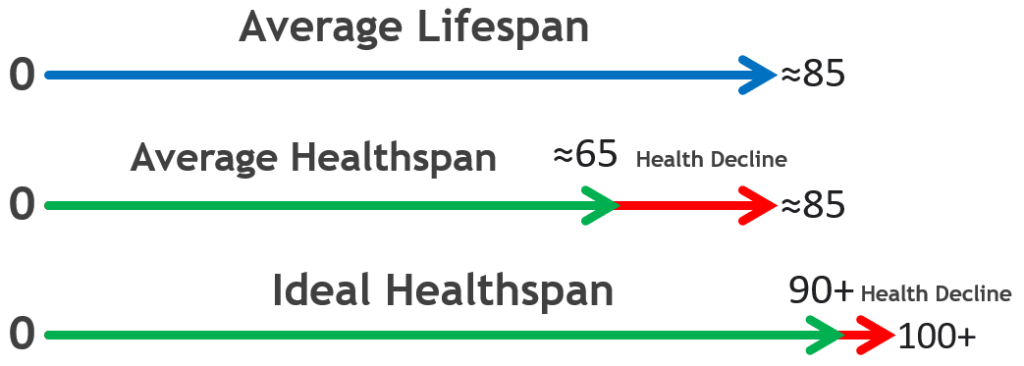
Healthspan refers to the years you live in good health, free from chronic disease and disability, while lifespan simply measures total years lived. The goal is maximizing healthspan so that your healthy years closely match your total lifespan, minimizing the period of decline and dependency. Modern medicine has extended lifespan significantly, but healthspan has not kept pace, creating a gap filled with chronic illness and reduced quality of life.
- Focus on extending healthy, active years rather than just total years lived
- Prioritize interventions that maintain independence and vitality throughout the aging process
- Understand that healthspan requires proactive lifestyle choices started early in life
The Healthspan Investment Strategy
Investing in healthspan requires consistent attention to all eight health pillars throughout your life rather than waiting until problems emerge. This proactive approach prevents chronic diseases, maintains physical and mental function, and ensures that your later years remain fulfilling and independent. The compound effect of healthy choices made consistently over time dramatically impacts both the quality and quantity of your years.
In Summary
Optimal health emerges from understanding and implementing a hierarchy of interventions that work synergistically to create lasting wellbeing. Sleep forms the foundation, supporting everything else, while exercise and diet work as distinct but equally important pillars that address different aspects of health. Exercise uniquely builds physical capacity and mental resilience, while diet provides the cellular building blocks and metabolic foundation for all bodily functions. Supplementation provides targeted support, while skincare, oral hygiene, meditation, and relationships complete the comprehensive health picture. True health means being physically capable, mentally sharp, emotionally balanced, and socially connected while focusing on extending healthspan rather than just lifespan. Success comes from consistent attention to all eight pillars, creating a compound effect that delivers both immediate vitality and long-term wellness.
FAQ
Why is sleep considered the most important health intervention?
Sleep serves as the master regulator of virtually every biological system, affecting hormone production, immune function, cognitive performance, and physical recovery. Unlike other interventions that target specific aspects of health, quality sleep optimizes the foundation upon which all other health improvements are built, making it the highest-impact single change you can make.
How do exercise and diet differ in their health benefits?
Exercise and diet serve distinct but complementary roles in optimal health. Exercise uniquely builds cardiovascular strength, muscle mass, and releases mood-boosting endorphins while improving physical capacity and mental resilience. Diet provides the fundamental building blocks for cellular function, hormone production, and metabolic processes while being more effective for weight management. Both are essential, but they address different aspects of health that cannot be replaced by the other.
What does it mean to focus on healthspan rather than lifespan?
Healthspan represents the years you live in good health, free from chronic disease and disability, while lifespan is simply total years lived. Focusing on healthspan means prioritizing interventions that maintain vitality, independence, and quality of life throughout aging, rather than just extending life regardless of health status. The goal is making your healthy years match your total years as closely as possible.
Which supplements should be prioritized for optimal health?
The most evidence-based priority supplements include vitamin D and omega-3 fatty acids, as these address the most common nutritional deficiencies with proven health impacts. Choose pharmaceutical-grade options for better quality control, and focus on correcting deficiencies rather than adding unnecessary supplements. Research suggests omega-3 supplementation may have small but protective effects on biological aging when taken consistently.
 Casually Healthy